
How Often Should You Visit an Acupuncture Clinic in Etobicoke?
You wake up with that familiar stiffness in your lower back. Maybe it is a tension headache from hours of sitting in traffic on the Gardiner Expressway. You know you need help. You have heard acupuncture works, but you are hesitant. You do not want to sign up for endless appointments without knowing what to expect.
We hear this concern every day at West End Rehab & Physical Therapy.
The short answer is that most patients in Etobicoke start with one to two visits per week for six to twelve weeks to see significant results.
However, your health is not a simple equation. It is personal. The exact frequency depends on whether your pain is new or chronic, your age, and your overall health goals.
In this guide, we break down exactly how often you should visit an acupuncture clinic in Etobicoke. We will look at the science of "dosing," explore local health statistics that might impact your recovery, and help you understand what a realistic treatment plan looks like for you.
The Short Answer on Acupuncture Frequency
If you are looking for a quick rule of thumb, here it is.
Research suggests that acupuncture is dose-dependent. This means the results accumulate over time. A single session might provide temporary relief, but it rarely fixes the root cause.
For most common conditions, such as chronic back pain or stress, we recommend the following schedule:
Acute Phase (Weeks 1-4): 2 sessions per week. This is when symptoms are most severe.
Corrective Phase (Weeks 5-10): 1 session per week. We focus on healing tissues and retraining the nervous system.
Maintenance Phase (Ongoing): 1 session every 4 to 6 weeks. This prevents regression and keeps you moving well.
We base this on clinical evidence. A study published in the National Institutes of Health (NIH) database indicates that for chronic pain, two or more treatments a week are often necessary to achieve a reliable "dose" of therapy.
At West End Rehab & Physical Therapy, we tailor this to you. We do not believe in cookie-cutter plans. We look at your specific needs and adjust as you heal.
Why One Session Is Rarely Enough
Imagine you want to get in shape. You go to the gym once, work out for an hour, and then go home. Do you have a six-pack the next day?
Of course not.
Acupuncture works similarly to exercise or learning a new language. It is a biological signal. Every time we place a needle, we send a specific message to your brain and nervous system. We tell your body to release endorphins, reduce inflammation, and improve blood flow.
If you send that signal once, your body hears it, but it forgets quickly.
If you send that signal consistently say, twice a week your body starts to adapt. This is the concept of neuroplasticity. We are retraining your body to function correctly without pain.
The Concept of Maximum Therapeutic Benefit
In clinical practice, we look for something called Maximum Therapeutic Benefit (MTB). This is the point where you have achieved the most improvement possible from treatment.
Research from Optum Healthcare Solutions suggests that while you should see measurable improvement within 2 to 6 weeks, reaching that Maximum Therapeutic Benefit often takes 6 to 12 weeks.
If you stop treatment after three sessions because you "feel a little better," you likely have not reached MTB. You risk your symptoms returning the moment you face a new stressor.
Factors That Influence Your Treatment Schedule
Not everyone in Etobicoke needs the same schedule. Your neighbor might need ten sessions for a sprained ankle, while you might need ongoing care for arthritis. Here are the main factors we consider when building your plan.
Acuteness vs Chronicity
Acute conditions are new injuries. Maybe you sprained your ankle playing soccer at Centennial Park, or you woke up with a "crick" in your neck this morning.
Frequency: High frequency, short duration.
Plan: We might see you 2 or 3 times a week, but only for two weeks. The body heals fast when the injury is fresh.
Chronic conditions are issues you have had for more than three months. This includes nagging lower back pain, repetitive strain from computer work, or osteoarthritis.
Frequency: Moderate frequency, longer duration.
Plan: We typically start with 2 visits a week to manage the pain, then taper down to once a week as your body stabilizes. Chronic patterns take longer to break.
Your Age and General Health
Toronto's population is aging. According to the 2023 Toronto Population Health Profile, the share of seniors aged 65 and over increased to 17% in 2021. By 2031, almost 1 in 5 Toronto residents will be seniors.
As we age, our metabolic rate slows down. Circulation decreases. Recovery takes longer.
If you are a healthy 25-year-old, your body might respond to acupuncture very quickly. If you are 65 and managing diabetes or high blood pressure alongside your pain, your body has less "adaptive capacity." You may need more frequent sessions to achieve the same result.
Severity of the Condition
This is straightforward. A mild muscle strain requires less work than a herniated disc.
Mild: 4 to 6 visits total.
Moderate: 6 to 12 visits total.
Severe: 12+ visits, potentially with ongoing maintenance.
Recommended Frequency by Condition
Let’s look at specific conditions we treat often at our clinic in Etobicoke.
Lower Back Pain
This is the most common reason patients visit us. It makes sense sitting is the new smoking, and many of us spend hours commuting or sitting at desks.
Dr. Kevin Cheyne, our Clinic Director, has extensive training as an Advanced Practice Provider (APP) with the provincial Low Back Pain Rapid Access Clinic Program. He understands back pain better than almost anyone.
The Protocol: For chronic low back pain, evidence supports a minimum of 12 treatments.
Our Approach: We typically start with 2 sessions a week for 4 weeks. If pain decreases by 50%, we drop to once a week.
Why: Lower back pain often involves deep muscle guarding. Frequent sessions help "unlock" these muscles so you can move freely again.
Neck Pain and Headaches
Tech neck is real. Staring at screens all day creates immense tension in the upper trapezius and neck muscles. This often leads to tension headaches or migraines.
The Protocol: A Cochrane review on migraine prophylaxis found that 16 or more treatments produced almost double the effect sizes compared to fewer treatments.
Our Approach: We need to break the cycle of tension. We often recommend twice-weekly visits for the first 3 weeks. Once the frequency of your headaches drops, we space the appointments out.
Stress and Anxiety
Mental health is a major concern in our community. The Toronto Population Health Profile highlighted that mental health worsened significantly during the pandemic. In 2021, over 5% of adults reported symptoms of moderate to severe depression.
Acupuncture is fantastic for downregulating the "fight or flight" nervous system.
The Protocol: Stress is usually ongoing, so treatment often needs to be ongoing.
Our Approach: We often recommend a "stress buster" session once a week for 6 weeks, followed by monthly maintenance. This serves as a reset button for your nervous system.
Musculoskeletal (MSK) Pain and Disability
Did you know that in 2017, the most common disability types in Toronto related to pain (14%) and mobility (10%)? Furthermore, statistics show that 16.7% of Canadians aged 15 and over have a pain-related disability.
If you fall into this category, acupuncture is not just about "fixing" it; it is about management.
The Protocol: Long-term management.
Our Approach: We aim to get you functional. Once we achieve that, we might see you every 3 to 4 weeks to ensure you stay functional and keep your pain levels low.
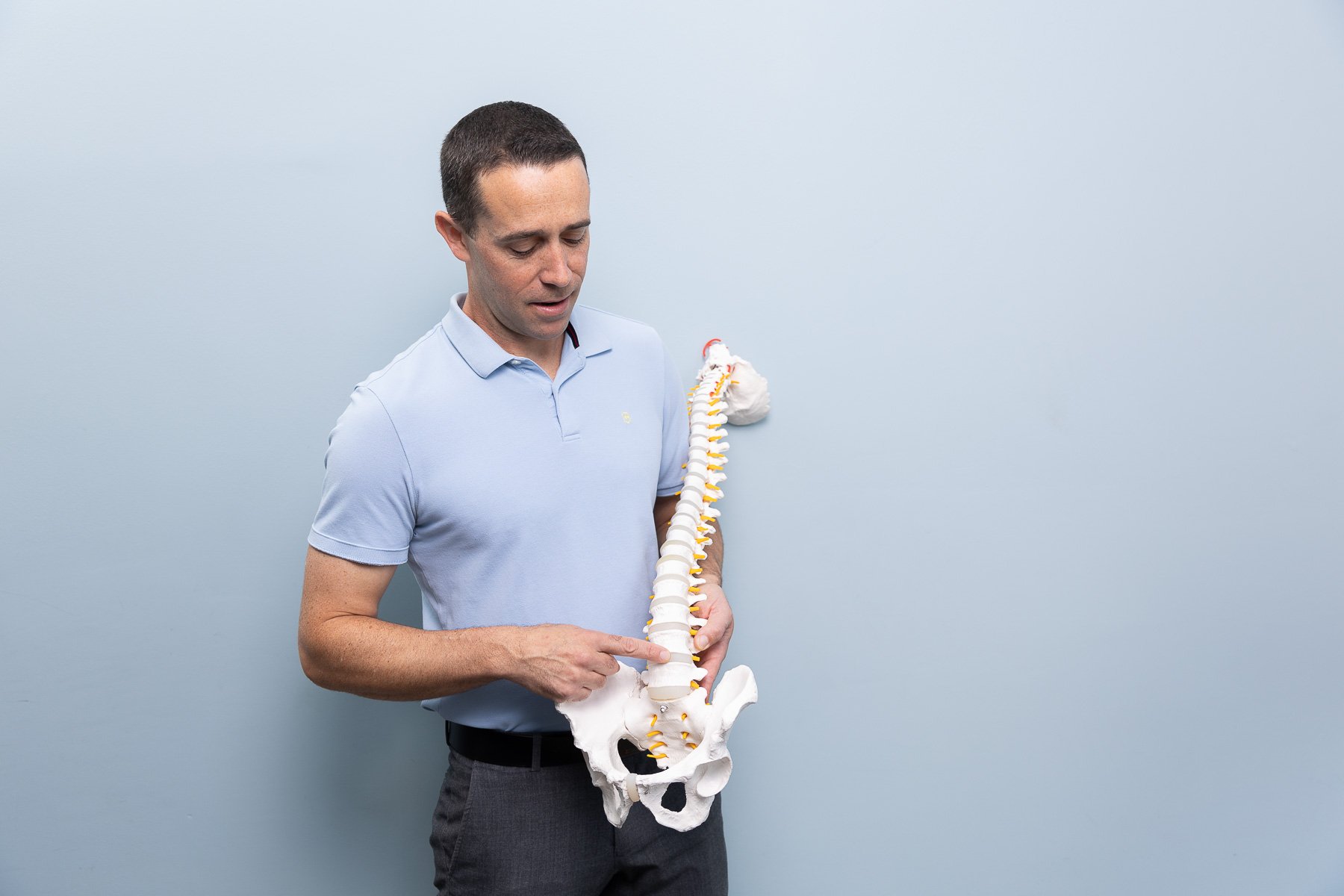
At West End Rehab & Physical Therapy, we believe in transparency. We want you to know exactly where you are in your healing journey. We generally divide care into three distinct phases.
Understanding the Stages of Care
Phase 1 Relief Care
This is why you called us. You are in pain, and you want it to stop.
Goal: Reduce pain and inflammation.
Frequency: High (2-3 times per week).
Duration: 1 to 4 weeks.
During this phase, you might feel great immediately after a session, but the pain creeps back in a day or two later. That is normal. It is why we need to see you again quickly—to hit the pain before it returns to 100%.
Phase 2 Corrective Care
The pain is mostly gone, but the problem is not fixed. Muscles are still weak, and joints are still stiff.
Goal: Restore normal function and mobility.
Frequency: Moderate (1 time per week).
Duration: 4 to 10 weeks.
This is the "danger zone" for patients. You feel better, so you might think you can stop coming. But if you stop now, the underlying issue remains, and the pain usually returns within a month.
Phase 3 Wellness and Maintenance
You feel great. You are back to playing golf, lifting your grandkids, or working without pain.
Goal: Prevent future injuries and optimize health.
Frequency: Low (1 time every 4-6 weeks).
Duration: Ongoing.
Think of this like an oil change for your car. You do not wait for the engine to smoke before you change the oil. You do it to prevent the engine from smoking in the first place.
The Science Behind Acupuncture Dosing
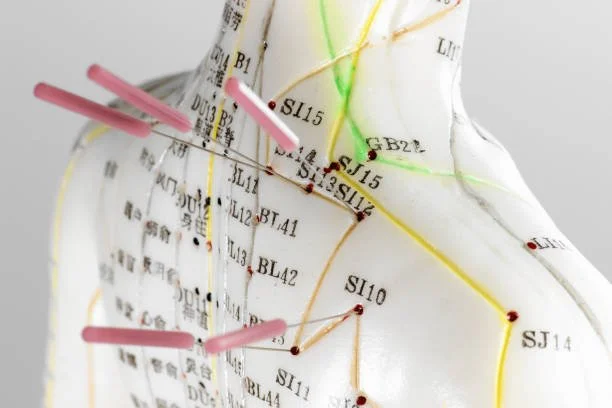
We mentioned "dosing" earlier. Let's dig deeper into what science says.
A systematic review of acupuncture clinical trials highlighted a discrepancy between Western and Eastern protocols. In China, acupuncture is often administered daily. In the West, once a week is common.
The data shows that higher frequency often yields better results.
Knee Osteoarthritis: Studies show a strong positive correlation between high-dosage acupuncture and positive outcomes.
Chronic Pain: The Acupuncture Trialists’ Collaboration data suggests that rigorous treatment schedules (more than once a week) are crucial for determining true effectiveness.
If you have tried acupuncture before and thought, "it didn't work," ask yourself: Did you go often enough?
Many insurance plans or Utilization Management policies cover treatment until that Maximum Therapeutic Benefit is reached. However, they expect improvement within 6 weeks. If you only go once a week, you might not show enough improvement to justify more care. Going twice a week gives your body the best chance to heal, proving that the therapy is working.
Why Choose an Etobicoke Clinic for Your Treatment
You have many options for healthcare in the GTA. Why choose a local clinic in Etobicoke like West End Rehab & Physical Therapy?
We Understand the Local Lifestyle
We know that life in Etobicoke has specific stressors. Whether it is the stress of commuting downtown, the physical demands of industrial jobs in South Etobicoke, or the active lifestyle of seniors in our community, we get it.
We are conveniently located at 3853 Bloor St. W, right near the intersection of Kipling Ave and Bloor St W. We offer free parking at the front of the building, which we know is a rarity in Toronto!
We Are Multidisciplinary
We do not just do acupuncture. We look at the whole picture.
Often, the best results come from combining therapies. We might recommend:
Chiropractic Care: To mobilize stiff joints.
Massage Therapy: To loosen tight muscles before acupuncture.
Physiotherapy: To strengthen the body after the pain is gone.
Our team works together. Dr. Cheyne, Marek Lebzuch (PT), and Aziz Ahmad (RMT) collaborate to ensure you get the right care at the right time.
We Are Regulated Professionals
In Ontario, the titles "Acupuncturist" and "Traditional Chinese Medicine Practitioner" are protected under the Traditional Chinese Medicine Act, 2006.
However, other regulated health professionals, such as Chiropractors and Physiotherapists, can also provide acupuncture if they have the appropriate training.
At West End Rehab, our providers are fully trained and certified in Contemporary Medical Acupuncture. This approach focuses on neurofunctional anatomy using needles to stimulate nerves and muscles to fix dysfunction. It is evidence-based and highly effective for pain relief.
What Happens If You Stop Treatment Too Soon
We see this scenario often. A patient comes in with 8/10 back pain. After four visits, the pain is down to a 2/10. They are thrilled. They cancel their remaining appointments.
Three weeks later, they called us. The pain is back to an 8/10.
Why? Because pain is the last thing to show up and the first thing to go away.
When you are injured, your body compensates. You walk differently. You sit differently. Even when the pain signal stops, those compensation patterns remain.
If you stop treatment during the Relief Phase, you have not fixed the compensation patterns. You simply turned off the alarm. The fire is still burning.
Sticking with the recommended frequency through the Corrective Phase ensures we actually put out the fire. It saves you money in the long run because you are not constantly starting over from scratch.
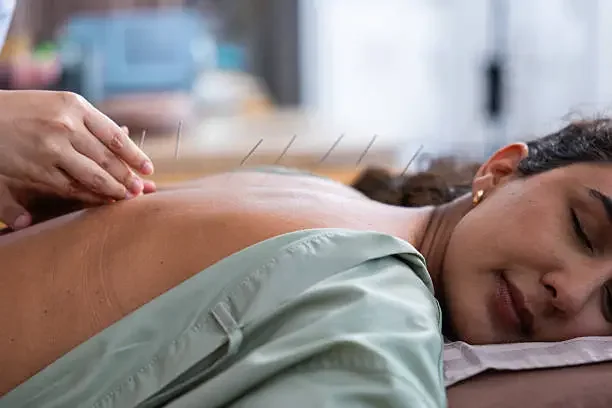
Combining Acupuncture with Other Therapies
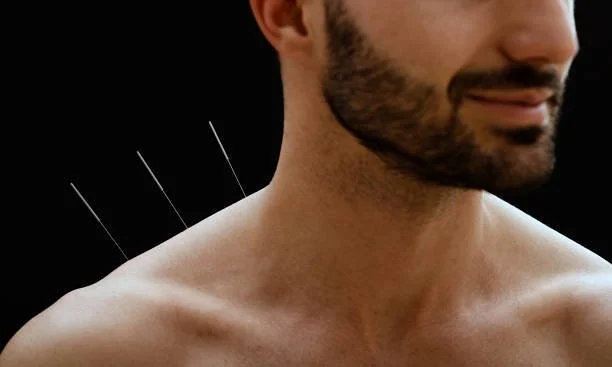
Does acupuncture work better alone or with friends?
Usually, it works better with friends.
We often combine acupuncture with Chiropractic Adjustments. The adjustment restores motion to a stuck joint. The acupuncture reduces the muscle spasm that was pulling the joint out of place. Together, they fix the problem faster than either could alone.
We also use Therapeutic Modalities like laser therapy or IFC (electrical stimulation) to speed up tissue healing.
When you visit us, we assess you to see if a combined approach would reduce the total number of visits you need.

If you are ready to start, here is what you need to know about your first visit to West End Rehab & Physical Therapy.
How to Prepare for Your First Visit in Etobicoke
No Referral Needed
For private pay services, you do not need a doctor's referral. You can simply book an appointment. However, some private insurance plans require a referral for reimbursement, so check your benefits booklet.
What to Wear
Wear loose, comfortable clothing. If we are treating your knees, bring shorts. If we are treating your shoulder, a tank top is helpful. We need to be able to access the area comfortably.
Arrival and Parking
We are located at 3853 Bloor St. W. As mentioned, we have free parking. We recommend arriving 10 minutes early to complete your intake forms if you haven't done them online.
The Assessment
We do not just start sticking needles in. We perform a thorough history and physical examination. We look at how you move. We identify the root cause. Only then do we create a treatment plan that outlines your recommended frequency.


What Our Patients Say
We maintain a 5-star rating because we put our patients first. From fixing frozen shoulders to resolving chronic leg pain, our clients trust us to help them return to a normal, happy life.
Frequently Asked Questions About Acupuncture
We know you have questions. Here are the most common ones we hear from our Etobicoke patients.
-
At our clinic, an initial acupuncture or chiropractic visit is approximately $110. Follow-up visits are $65. (Note: Prices are subject to change, so please check our website or call us for the most current rates). We believe in transparent pricing so there are no surprises.
-
Yes, most Extended Health Care (EHC) plans cover acupuncture. We are registered with all major online insurance billing systems. In most cases, we can direct bill your insurance company, meaning you only pay the gap. We also accept auto insurance (MVA) and WSIB claims.
-
This is the number one fear. The answer is generally no. Acupuncture needles are incredibly thin about the width of a human hair. You might feel a tiny pinch when it goes in, followed by a dull ache or heavy sensation. This "ache" is actually a good sign; it means we have stimulated the nerve (a phenomenon called de qi). It is nothing like getting a flu shot or giving blood.
-
Yes, it is very safe. We use single-use, sterile disposable needles. The risk of infection is virtually non-existent. Some patients experience minor bruising or temporary soreness, but serious side effects are extremely rare.
-
Absolutely. Most people feel very relaxed after a session. You can drive, work, and exercise (though we might recommend keeping the workout light for that day).
-
Your initial assessment and treatment will take 45 to 60 minutes. Follow-up appointments are typically 30 minutes. We value your time and run on schedule.

Dr. Kevin Cheyne
Kevin is the chiropractor that you can trust for treating your aches and pains. His advanced training in lower back pain relief and certification in contemporary medical acupuncture makes him one of the best in assessing and managing lower back issues and their related symptoms.
Kevin runs his own chiropractic and physical therapy office, where he treats patients with various conditions. Dr. Cheyne has extensive experience and advanced training in a variety of techniques to help patients get through their injuries and to manage their pain. These techniques include joint manipulation, acupuncture, soft tissue therapy, therapeutic modalities, and exercise prescription.
Take Control of Your Health Today
Pain does not have to be your normal. Whether you are dealing with the aches of aging, the stress of a busy Toronto life, or an acute sports injury, acupuncture can help your body heal itself.
But remember, consistency is key. One visit is a start, but a structured treatment plan is the solution.
At West End Rehab & Physical Therapy, we are committed to getting you pain-free and keeping you that way. We treat the whole person, not just the symptom.

Are you ready to see what acupuncture can do for you?
Don't wait for the pain to get worse.
Let’s get you back to doing the things you love.