
How to Get Custom Orthotics in Etobicoke and the Detailed Process Involved
Do your feet ache the moment your alarm goes off? You are not alone. Foot pain is one of the most common complaints we hear at our clinic. Whether it is a sharp pain in the heel or a dull ache in the arches, foot discomfort changes how you move. It affects your mood, your work, and your ability to enjoy life.
Many people in Etobicoke assume foot pain is just a part of aging or working hard. That is rarely the whole truth. Often, the root cause is structural. Your feet are the foundation of your entire body. When that foundation is unstable, it causes a chain reaction of pain up to your knees, hips, and back.
Custom orthotics are a medical solution designed to fix this instability. Unlike generic inserts you buy at a pharmacy, custom orthotics are precision-engineered devices tailored to your unique anatomy.
At West End Rehab & Physical Therapy, we guide patients through this process every day. We believe in transparency and education. If you are considering orthotics, you need to know exactly what happens, why it matters, and how it helps you.
This guide covers the end-to-end process of getting custom orthotics in Etobicoke. We will break down the assessment, the technology we use, and the local health statistics that make foot care so vital for Ontarians.
The Core Process of Getting Custom Orthotics
The process of obtaining custom orthotics is a medical procedure. It involves more than just stepping on a mold. It requires a detailed analysis of your biomechanics.
Here is the short answer:
The process involves a comprehensive history taking, a physical biomechanical examination, a gait analysis (watching how you walk), a 3D cast or scan of your feet, fabrication in a specialized lab, and a final fitting to ensure the device works with your footwear.
Let’s dive deeper into each stage so you know what to expect when you visit us at 3853 Bloor St. W.
Stage 1 is the Initial Consultation and History
Your journey begins with a conversation. We cannot treat your feet until we understand your life. During your first visit to West End Rehab & Physical Therapy, we sit down to discuss your medical history.
We look for specific patterns. Are you on your feet for eight hours a day? do you run marathons? Do you have a history of diabetes or arthritis?
We ask questions like:
Where exactly is the pain located?
Is the pain worse in the morning or after activity?
What type of shoes do you wear most often?
Have you had previous injuries to your ankles, knees, or hips?
This context is crucial. A construction worker in Etobicoke wearing steel-toed boots needs a different orthotic design than a nurse working shifts at a local hospital or an office worker commuting to downtown Toronto.
Stage 2 is the Biomechanical Assessment
Once we understand your history, we move to the physical exam. This is where we assess the raw mechanics of your lower body.
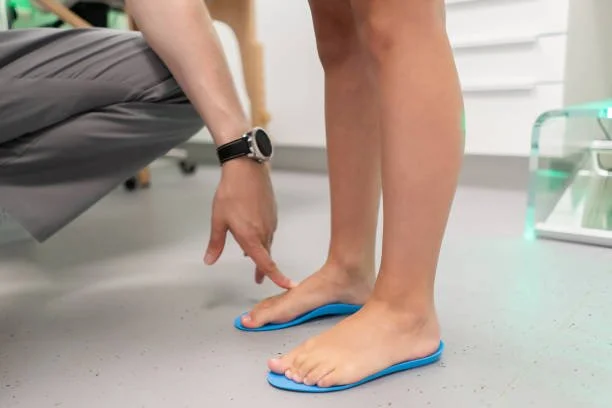
We examine your feet while you are sitting and standing. We look for alignment issues. We check the range of motion in your ankle joints and the flexibility of your toes. We palpate (touch) specific areas to identify inflammation or tenderness.
We also look at the "kinetic chain." This is the connection between your feet and the rest of your body. We check for:
Pronation: Does your foot roll inward excessively?
Supination: Does your foot roll outward?
Arch Height: Do you have flat feet (pes planus) or high arches (pes cavus)?
Leg Length Discrepancy: Is one leg shorter than the other?
Even a minor misalignment here can cause significant torque on your knees and lower back.
Stage 3 is the Gait Analysis
Static standing does not tell the whole story. Your feet are dynamic tools. We need to see how they handle impact.
Gait analysis involves observing you walk. We watch your stride. We look at how your heel strikes the ground and how you push off with your toes. We analyze the timing of your step.
At West End Rehab & Physical Therapy, we look for asymmetries. If you favor one side, it suggests pain avoidance or muscular imbalance. This visual data helps us prescribe an orthotic that corrects your motion, not just your standing posture.
Stage 4 is the Casting and Scanning Method
This is the most critical technical step. To make a custom device, we need an exact replica of your foot.
In the past, clinics used messy plaster casts. Today, technology has advanced. We use precise methods to capture the contours of your foot in what is called the "subtalar neutral" position. This is the ideal alignment where your foot functions most efficiently.
We capture the three-dimensional shape of your arch and heel. This model is what the laboratory uses to mold the shell of your orthotic. The accuracy of this step determines whether your orthotic feels like a comfortable support or a hard rock in your shoe.
Stage 5 is the Fabrication at the Laboratory
Once we have your data, we send it to a specialized orthotic laboratory. This is where the manufacturing happens.
Technicians use the model of your foot to press the orthotic shell. They use materials like carbon fiber, polypropylene, or graphite. These materials are chosen based on your weight, activity level, and flexibility needs.
The customization goes deep:
Top Covers: We choose soft materials for sensitive diabetic feet or durable materials for athletes.
Posts and Wedges: We add specific angles to the heel or forefoot to correct the rotation we found in your gait analysis.
Accommodations: We create "cut-outs" to relieve pressure on specific painful spots, like heel spurs or bunions.
This process typically takes a week or two. It is craftsmanship combined with medical science.
Stage 6 is the Fitting and Break In Period
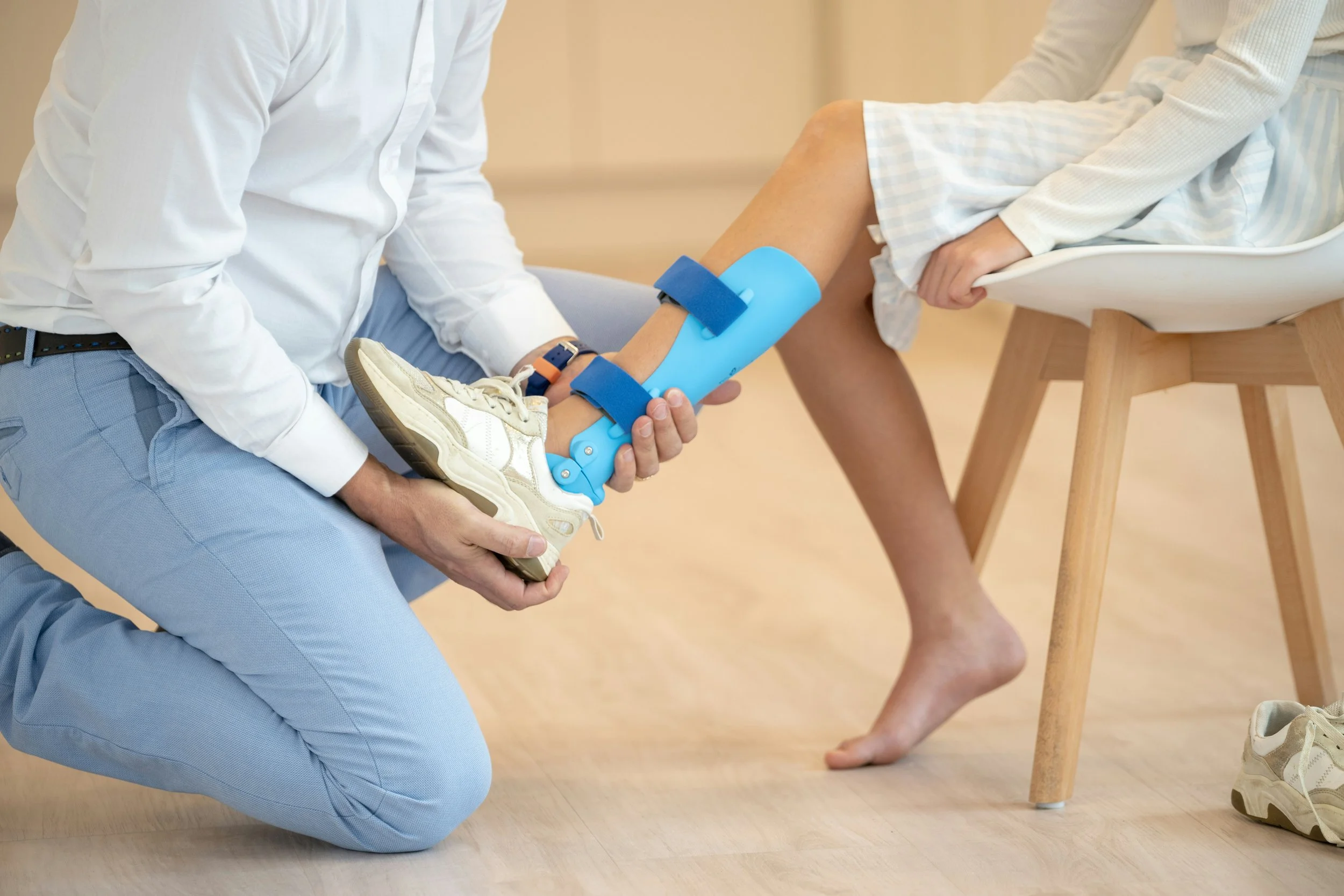
When your orthotics arrive back at our clinic in Etobicoke, you come in for a fitting. We do not just hand them to you. We place them in your shoes and watch you walk again.
We check for squeaking, slipping, or pressure points. The orthotic should feel supportive, not intrusive.
We also educate you on the "break-in" period. You cannot wear new orthotics for 10 hours on the first day. Your muscles need time to adapt to the new alignment. We usually recommend wearing them for one hour the first day, two hours the second, and gradually increasing the time over two weeks.
Why Foot Health Matters in Ontario
You might think foot pain is a minor annoyance. However, local data shows that musculoskeletal and chronic health issues are significant burdens in Ontario.
Diabetes and Foot Health
According to Diabetes Canada, approximately 31% of Ontarians live with diabetes or prediabetes. This is a staggering statistic. Diabetes has a direct impact on foot health. High blood sugar can damage nerves (neuropathy) and reduce blood flow to the feet.
People with diabetes are at a higher risk for foot ulcers. In fact, foot ulceration affects up to 25% of people with diabetes in their lifetime. A custom orthotic is not just for comfort here; it is a preventative medical device. It distributes pressure evenly to prevent the friction that causes ulcers.
Osteoarthritis in Ontario
Joint pain is another major driver for orthotics. Health Quality Ontario reports that the prevalence of osteoarthritis among people aged 20 and older is approximately 14%. This number jumps significantly for older adults.
Osteoarthritis in the knee is often exacerbated by poor foot mechanics. If your foot collapses inward, it torques the knee joint, grinding away cartilage. A custom orthotic acts as a shim, aligning the leg to reduce load on the arthritic knee compartment.
Signs You Might Need Custom Orthotics
How do you know if you need to book an appointment with Dr. Kevin Cheyne and our team? Look for these warning signs.
Heel Pain (Plantar Fasciitis)
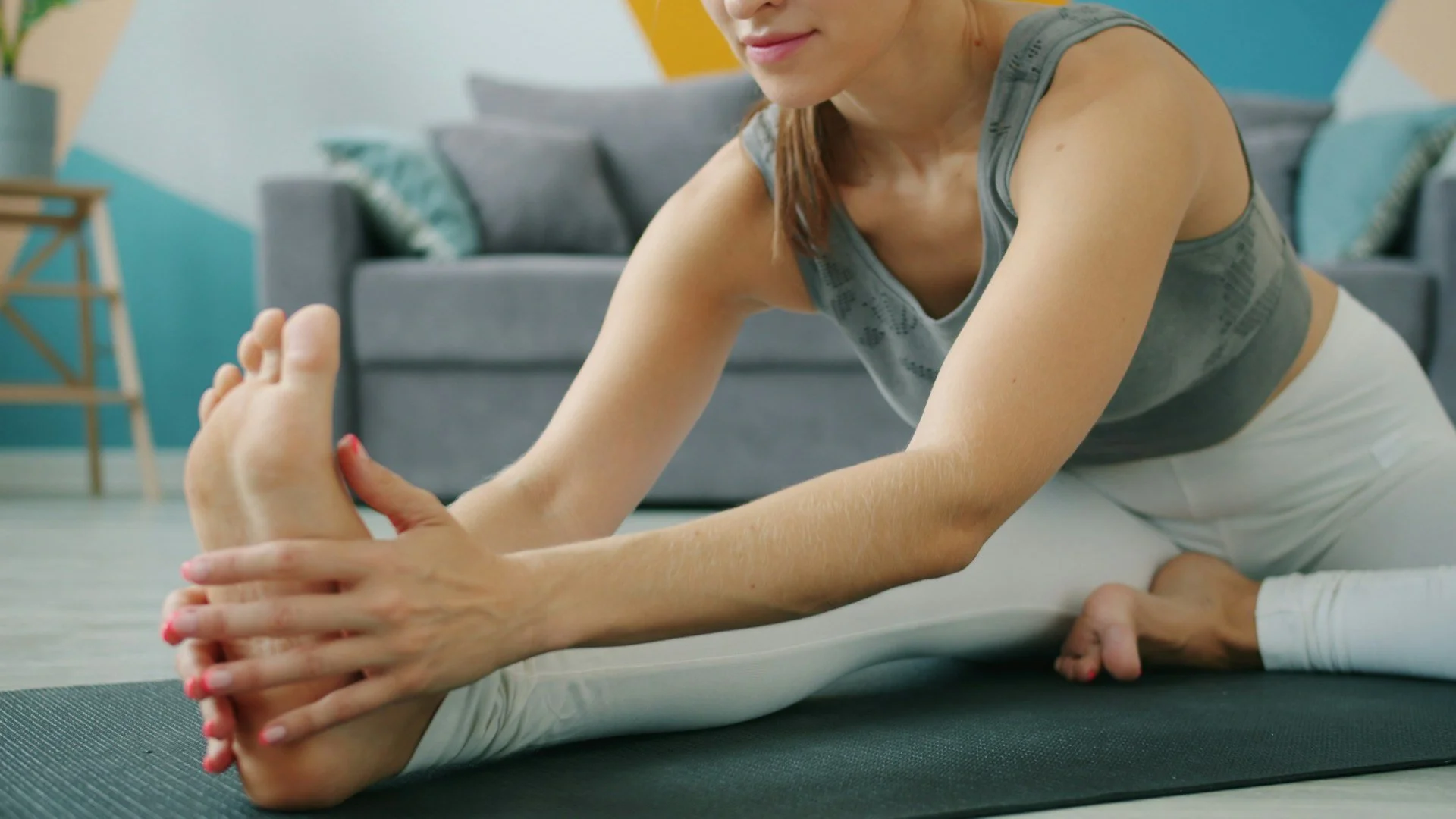
This is the most common condition we treat. It feels like a stabbing pain in the heel, especially with the first steps in the morning. Orthotics support the arch to reduce tension on the plantar fascia tissue.
Bunions
A bunion is a bony bump at the base of the big toe. It is often caused by unstable foot mechanics. While orthotics cannot "remove" a bunion, they stabilize the foot to prevent it from getting worse and reduce pain.
Uneven Shoe Wear
Take a look at your old shoes. Is the heel worn down severely on the inside or outside edge? This indicates you are pronating or supinating excessively. Your shoes are telling you that your gait is off.
Chronic Lower Back Pain
If you have treated your back with massage and chiro but the pain keeps returning, look down. Your feet might be the culprit. Misalignment in the feet tilts the pelvis, which forces the spine to curve to compensate.
The Cost and Insurance Landscape in Etobicoke
We believe in being upfront about costs. At West End Rehab & Physical Therapy, our pricing is transparent.
Standard Custom Orthotics: $400
Premium Custom Orthotics: $500
Insurance Coverage
The good news is that most extended health care plans in Ontario cover custom orthotics. This includes plans from providers like Sun Life, Manulife, and Canada Life.
However, insurance companies are strict. They typically require:
A prescription from a medical doctor, podiatrist, or chiropodist.
A detailed biomechanical assessment (which we provide).
Proof that the device is custom-made from a 3D cast (which we provide).
We are registered with all online insurance billing systems. In many cases, we can direct bill your insurance, meaning you do not have to pay the full amount out of pocket.
Why Choose West End Rehab & Physical Therapy

There are many places to get insoles, but few offer the integrated care model we do.
We Are Multidisciplinary
Dr. Kevin Cheyne is not just a chiropractor; he is a clinic director with advanced training in low back pain. We have physiotherapists and massage therapists on-site. If your foot pain is related to a tight calf muscle, our RMT can treat that while we work on your orthotics.
We Are Local
We are conveniently located at 3853 Bloor St. W in central Etobicoke. We serve our neighbors in East Mississauga and Toronto. We offer free parking, which we know is a rarity in the GTA.
We Focus on Education
We do not want you to be dependent on us forever. Our goal is to fix the biomechanical issue and teach you how to maintain it.
At West End Rehab & Physical Therapy, we are ready to help you walk comfortably again. If you are tired of foot pain dictating your day, let’s fix the foundation.
Book your assessment with us today. Your feet and your future self will thank you.


What Our Patients Say
We maintain a 5-star rating because we put our patients first. From fixing frozen shoulders to resolving chronic leg pain, our clients trust us to help them return to a normal, happy life.
Frequently Asked Questions
-
For treatment at our clinic, you do not need a referral. However, if you want your insurance company to reimburse you, they almost always require a prescription from a Medical Doctor (MD) or Nurse Practitioner. Check your specific policy booklet.
-
A high-quality pair of custom orthotics typically lasts between 2 to 5 years. This depends on how often you wear them and your activity level. The top covers may wear out sooner, but these can be refurbished at a lower cost than buying a new pair.
-
Absolutely. In fact, many runners in Etobicoke use them to prevent injuries like shin splints and runner's knee. We can design orthotics specifically for athletic footwear, using lighter and more resilient materials.
-
Orthotics work best in shoes with a removable insole. They fit easily into running shoes, hiking boots, and casual lace-ups. Dress shoes and high heels are trickier. We can make "dress" orthotics with a slimmer profile, but they provide slightly less support than the full-sized version.
-
Store-bought inserts are mass-produced generic shapes. They assume your left foot is the same as your right. Custom orthotics are medical devices manufactured individually for your specific anatomy using durable, prescription-grade materials. The cost reflects the professional assessment, the casting process, and the lab manufacturing.
-
They should not hurt, but they will feel "different." You are changing the way you stand. Some muscle fatigue in the arches or calves is normal during the first week. If you experience sharp pain or blisters, that is not normal, and you should contact us for an adjustment.
-
No, OHIP does not cover custom orthotics. They are covered by private extended health benefits (EHB) or sometimes by the WSIB if the injury happened at work.
-
Yes. The knee is a hinge joint that relies on the foot for stability. Excessive rotation of the foot (overpronation) forces the lower leg to rotate internally, stressing the knee. Correcting the foot mechanics often relieves this stress.
-
"Functional" orthotics are usually made of semi-rigid materials like plastic or carbon fiber to control motion. "Accommodative" orthotics are made of softer materials to cushion the foot, often used for diabetic patients or elderly patients with rigid feet. We determine which is best during your assessment.
-
You can wipe them down with a damp cloth and mild soap. Do not submerge them in water or put them in the washing machine. Avoid leaving them near high heat (like a radiator), as this can warp the custom molding.

Dr. Kevin Cheyne
Kevin is the chiropractor that you can trust for treating your aches and pains. His advanced training in lower back pain relief and certification in contemporary medical acupuncture makes him one of the best in assessing and managing lower back issues and their related symptoms.
Kevin runs his own chiropractic and physical therapy office, where he treats patients with various conditions. Dr. Cheyne has extensive experience and advanced training in a variety of techniques to help patients get through their injuries and to manage their pain. These techniques include joint manipulation, acupuncture, soft tissue therapy, therapeutic modalities, and exercise prescription.