What Are the Signs You Should Visit a Massage Therapist in Etobicoke?
You should visit a massage therapist in Etobicoke if you are experiencing persistent back or neck pain, frequent tension headaches, limited range of motion, or high levels of stress. These physical and mental indicators suggest your body requires soft tissue manipulation to restore function and alleviate discomfort.
Ignoring these signs often leads to chronic conditions that are harder to treat later. Whether you are an office worker stuck at a desk on Bloor Street or an athlete training in Centennial Park, recognizing when your body needs professional care is the first step toward recovery.
In this guide, we will explore the specific physical and emotional warning signs that indicate it is time to book an appointment. We will also discuss the local health landscape in Etobicoke and how our team at West End Rehab & Physical Therapy can help you get back to feeling your best.

1. You Have Persistent Lower Back Pain
Low back pain is the most common musculoskeletal complaint among adults in Ontario. If you find yourself constantly shifting in your chair or waking up with stiffness that refuses to leave, it is a clear sign you need professional intervention.
The Prevalence of Back Pain in Ontario
According to the Occupational Health Clinics for Ontario Workers (OHCOW), low back issues are the leading cause of injury in the province, accounting for roughly 16% of all lost-time claims. In a given six-month period, nearly 50% of Canadians will experience some form of low back pain.
This pain often stems from muscle strain, poor posture, or repetitive stress. When muscles in the lumbar region become tight, they pull on the spine and pelvis, creating a cycle of pain and inflammation.
How Massage Therapy Helps
A 2024 systematic review published in JAMA Network Open highlights that massage therapy specifically myofascial release can significantly improve chronic low back pain compared to inactive therapies. At West End Rehab & Physical Therapy, our Registered Massage Therapists (RMTs) use targeted techniques to release tension in the quadratus lumborum and gluteal muscles, which are often the culprits behind lower back agony.
2. Your Neck and Shoulders Feel Like Concrete
"Tech neck" is a real and growing problem in Etobicoke. With so many residents working remotely or commuting long hours on the 427 and Gardiner Expressway, postural stress is at an all-time high.
Understanding the Strain
The average human head weighs between 10 and 12 pounds. When you lean forward to look at a monitor or smartphone, the effective weight on your neck muscles increases dramatically, sometimes up to 60 pounds. This constant load causes the trapezius and levator scapulae muscles to shorten and harden, leading to that "concrete" feeling in your shoulders.
The Role of Soft Tissue Therapy
Ignoring neck stiffness can lead to cervicogenic headaches and chronic mobility issues. Massage therapy increases blood flow to these oxygen-starved tissues. Our approach involves deep tissue work to break down adhesions (knots) and restore normal muscle length, allowing your shoulders to drop back to their natural position.
3. You Suffer from Frequent Tension Headaches
If you find yourself reaching for painkillers several times a week to combat a dull, aching pain wrapping around your head, the root cause might be muscular.
The Muscle-Headache Connection
Tension-type headaches are often triggered by trigger points—hyperirritable spots in the skeletal muscle. Key trigger points in the upper back and neck can refer pain upward into the head. Stress exacerbates this, causing you to unconsciously clench your jaw or hike your shoulders, fueling the headache cycle.
Evidence for Relief
Research indicates that manual therapy is effective for reducing the frequency and intensity of tension headaches. By deactivating trigger points in the suboccipital muscles (at the base of the skull), massage therapy treats the source of the pain rather than just masking the symptoms.
4. You Are Recovering from a Car Accident
Motor vehicle accidents are a distressingly common occurrence on Toronto's busy roadways. Even a minor fender bender can result in whiplash, a soft tissue injury that may not present symptoms immediately.
Whiplash and Delayed Onset Symptoms
Whiplash occurs when the neck is suddenly snapped back and forth. This creates micro-tears in the muscles and ligaments. You might feel fine immediately after the accident due to adrenaline, but pain and stiffness often sets in 24 to 48 hours later.
Soft Tissue Rehabilitation
Massage therapy is a critical component of car accident rehab. It helps to reduce scar tissue formation, improve circulation to the injured area, and regain range of motion. We frequently work with patients recovering from motor vehicle accidents, coordinating with their insurance to ensure they receive the necessary care to prevent long-term disability.
5. You Have Limited Range of Motion
Can you shoulder check comfortably while driving? Can you reach the top shelf in your kitchen without wincing? A decrease in flexibility is a major red flag.
Why Stiffness Occurs
Joints don't just become stiff on their own; the muscles and fascia surrounding them restrict movement. Whether it is due to aging, arthritis, or inactivity, tight tissues act like a straightjacket, preventing your joints from moving through their full physiological range.
Restoring Mobility
Arthritis affects approximately 20.8% of Ontarians. While massage cannot cure arthritis, it can significantly improve the quality of life for those living with it. By reducing muscle tension around the affected joints and improving lymphatic drainage, massage therapy reduces stiffness and makes movement easier.
6. You Are Experiencing High Levels of Stress or Anxiety
Your body and mind are intrinsically connected. Emotional stress manifests physically, often as elevated cortisol levels and muscular guarding.
The Physiology of Stress
When you are stressed, your body enters a "fight or flight" mode. Muscles tense up in preparation for physical action. Chronic stress means your muscles never get the signal to relax. This can lead to sleep disturbances, fatigue, and a weakened immune system.
Massage as a Nervous System Regulator
Massage therapy stimulates the parasympathetic nervous system—the "rest and digest" mode. This lowers heart rate and blood pressure while reducing cortisol levels. Many of our patients in Etobicoke view their appointments not just as physical therapy, but as a necessary mental health reset in their busy schedules.
7. You Are an Athlete or Weekend Warrior
From hockey players at the Etobicoke Ice Sports to runners on the Humber River Trail, active individuals put immense demand on their bodies.
Preventing Injury
You don't need to be injured to benefit from sports massage. Regular treatment helps flush out metabolic waste (like lactic acid) from tissues and keeps muscle fibers pliable. This maintenance work prevents strains and sprains—which are among the most common injuries leading to lost time at work and play.
Enhancing Performance
Flexible muscles generate more power. By ensuring your biomechanics are operating efficiently, massage therapy can actually improve your athletic performance. We tailor our treatments to your sport, focusing on the muscle groups you use most.
8. You Are Pregnant
Pregnancy places significant strain on the musculoskeletal system. As the baby grows, your center of gravity shifts, putting extra pressure on the lower back and hips.
The Benefits of Prenatal Massage
Prenatal massage is a safe, effective way to manage pregnancy-related back pain, reduce swelling (edema) in the legs, and improve sleep quality. Our clinic is equipped to treat expectant mothers comfortably and safely, helping them navigate the physical changes of pregnancy with less discomfort.
9. You Have Postural Issues (Kyphosis/Lordosis)
Poor posture is more than just an aesthetic concern; it is a structural imbalance. If you notice a "hunchback" (kyphosis) or an excessive sway in your lower back (lordosis), your muscles are likely imbalanced.
Correcting the Imbalance
Posture correction requires a two-pronged approach: strengthening weak muscles and lengthening tight ones. Massage therapy addresses the "tight" side of the equation. For example, in cases of rounded shoulders, we work to release the tight pectoral muscles that are pulling the shoulders forward, allowing you to stand taller and breathe deeper.
10. You Feel Pins and Needles (Paresthesia)
Numbness, tingling, or a "pins and needles" sensation in your arms or legs can be caused by tight muscles compressing nerves.
Entrapment Syndromes
Conditions like Thoracic Outlet Syndrome or Piriformis Syndrome involve muscles pinching nerves. The piriformis muscle in the glutes, for instance, can compress the sciatic nerve, sending shooting pain or numbness down the leg.
Releasing the Pressure
Registered Massage Therapists are trained to identify these entrapment sites. By releasing the hypertonic muscles compressing the nerve, we can often alleviate the sensation of paresthesia and restore normal nerve conduction.
Why Choose West End Rehab & Physical Therapy?
At West End Rehab & Physical Therapy, we understand that every body is unique. We treat and educate our patients on their path to optimal health, allowing them to enjoy a pain-free life.
Our Integrated Approach
We do not view massage therapy in isolation. We offer a multidisciplinary approach that includes:
Chiropractic Care: Adjustments to restore joint function.
Physiotherapy: Rehabilitation exercises to build strength.
Acupuncture: Contemporary medical acupuncture to modulate pain.
Custom Orthotics: To correct biomechanical issues from the ground up.
Our Experienced Team
We are a dedicated team of Registered Healthcare Professionals with 15 years of clinical experience and a proven track record of success. Our clinic director, Dr. Kevin Cheyne, has extensive training as an Advanced Practice Provider (APP) with the provincial Low Back Pain Rapid Access Clinic Program. Alongside our skilled RMTs like Aziz Ahmad, we collaborate to ensure you receive the most effective care possible.
Convenience and Accessibility
We are centrally located at 3853 Bloor St. W, Toronto, ON, with easy access to the TTC, Highway 427, and the Gardiner Expressway. We offer direct billing to most insurance companies, making your visit as stress-free as possible.

What to Expect During Your First Visit
If you have never visited an RMT before, it is normal to have questions. Here is what the process looks like at our clinic.
Health History Assessment
Per the College of Massage Therapists of Ontario (CMTO) guidelines, we begin with a review of your health history. We discuss your current symptoms, past injuries, and health goals. This ensures your treatment is safe and effective.
Physical Assessment
We may perform a range of motion tests or orthopedic assessments to pinpoint the specific tissues causing your pain. This helps us create a targeted treatment plan.
The Treatment
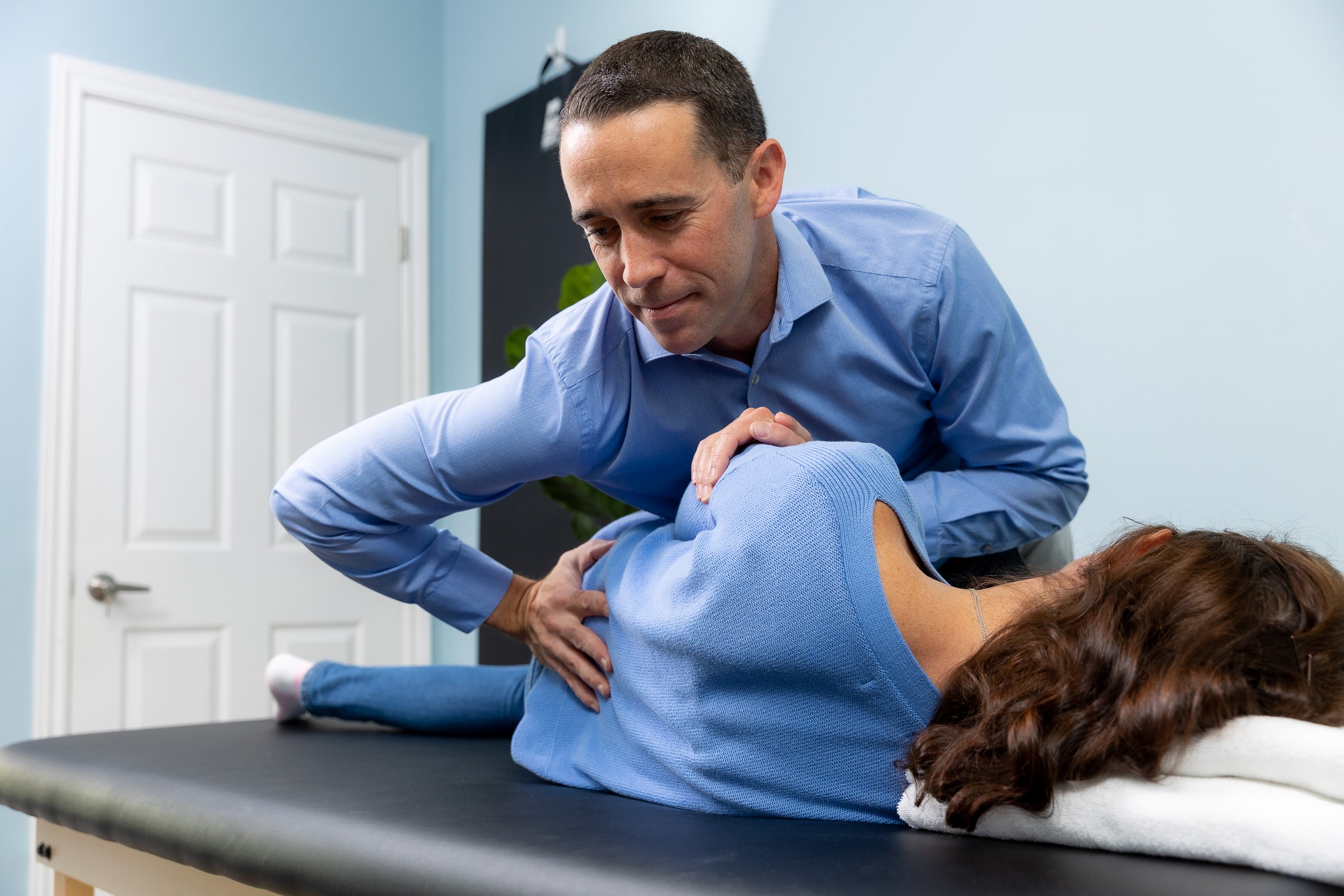
Your comfort is our priority. You will be covered by a sheet at all times, with only the area being treated uncovered. Our therapists use a variety of techniques, including Swedish massage, deep tissue massage, and myofascial release, adjusted to your pressure tolerance.
Home Care Advice
We believe in empowering our patients. After your session, we often provide stretching or strengthening exercises you can do at home to prolong the benefits of the massage.
The Long-Term Benefits of Regular Massage
While a single massage can provide immediate relief, the real magic happens with consistency.
Prevention vs. Reaction
Many people wait until they are in agonizing pain to book an appointment. However, regular "maintenance" massages once a month or every six weeks can catch minor imbalances before they become major injuries.
Cost-Effectiveness
Investing in preventative care is often cheaper than treating an acute injury. The direct cost of a lost-time injury in Canada averages $30,000. By keeping your body functioning well, you reduce the risk of costly downtime and medical interventions.

Understanding the Scope of Practice in Ontario

It is important to seek care from a regulated professional. In Ontario, the profession is governed by the Massage Therapy Act, 1991.
What is a Registered Massage Therapist?
The practice of massage therapy is defined as "the assessment of the soft tissue and joints of the body and the treatment and prevention of physical dysfunction and pain of the soft tissues and joints by manipulation to develop, maintain, rehabilitate or augment physical function, or relieve pain."
When you visit West End Rehab & Physical Therapy, you are being treated by RMTs who have completed rigorous education, passed certification examinations, and are registered with the CMTO. This ensures you receive safe, ethical, and competent care.

What Our Patients Say
We maintain a 5-star rating because we put our patients first. From fixing frozen shoulders to resolving chronic leg pain, our clients trust us to help them return to a normal, happy life.
Frequently Asked Questions
-
For treatment purposes, no, you do not need a referral. Registered Massage Therapists are primary healthcare providers. However, some insurance plans require a doctor's referral for reimbursement purposes. We recommend checking the details of your specific extended health plan.
-
At our clinic, a 60-minute massage therapy session is $110 + HST. Prices are subject to change, so please check our website or call us for the most current rates.
-
Yes, most extended health care plans cover massage therapy provided by an RMT. We are registered with all online insurance billing systems, including extended health care, auto insurance, and WSIB. In most cases, we can bill your insurance directly, saving you the upfront cost.
-
Massage should not be painful, but you may experience "good pain" a feeling of relief and release during deep tissue work. Our therapists will always check in with you regarding pressure. If you are uncomfortable at any time, speak up, and we will adjust immediately. It is common to feel some mild soreness for a day or two after a deep treatment, similar to how you feel after a workout.
-
The frequency depends on your condition. For acute pain, we might recommend weekly sessions for a short period until symptoms improve. For stress management and maintenance, once every 4 to 6 weeks is typical. We will provide a personalized recommendation based on your assessment.
-
Yes. While it cannot reverse joint degeneration, massage reduces the muscle tension and pain associated with arthritis. The Arthritis Society of Canada recognizes massage as a beneficial therapy for managing symptoms.
-
You can undress to your comfort level. Most patients undress their underwear and lie under a sheet. Our RMTs are trained in professional draping techniques to ensure your privacy is respected at all times.

Dr. Kevin Cheyne
Kevin is the chiropractor that you can trust for treating your aches and pains. His advanced training in lower back pain relief and certification in contemporary medical acupuncture makes him one of the best in assessing and managing lower back issues and their related symptoms.
Kevin runs his own chiropractic and physical therapy office, where he treats patients with various conditions. Dr. Cheyne has extensive experience and advanced training in a variety of techniques to help patients get through their injuries and to manage their pain. These techniques include joint manipulation, acupuncture, soft tissue therapy, therapeutic modalities, and exercise prescription.
Take the Next Step Toward a Pain-Free Life
Your body is constantly sending you signals. Whether it is a twinge in your back, a headache that won't quit, or just a general feeling of fatigue, listening to these signs is crucial.
You do not have to live with pain. Massage therapy is a scientifically backed, highly effective way to manage pain, recover from injury, and improve your mental well-being.
If you recognized yourself in any of the signs listed above, it is time to take action.

Don't let pain become your new normal. Take the first step toward recovery today.
Ready to get started?
Contact us to book your appointment:
☎ Phone
(647) 428-5852
✉ Email
westendrehab@hotmail.com
📆 Online Booking:
Available directly through our website.
We look forward to welcoming you to our clinic and helping you get fixed for good.