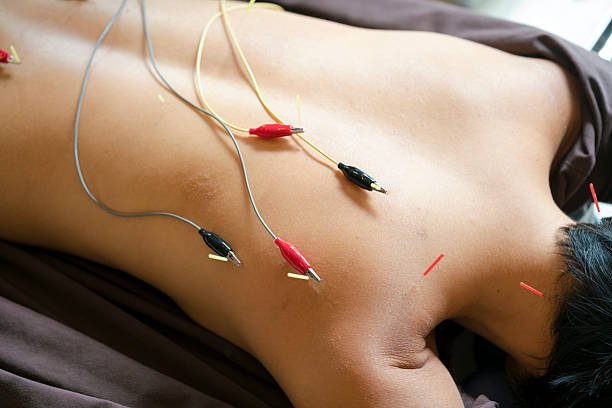
Acupuncture works by stimulating specific points on the body, usually with thin needles, to trigger a natural healing response in the central nervous system. From a Western medical perspective, this stimulation prompts the body to release endorphins, increase blood flow, and interrupt pain signals sent to the brain. From a Traditional Chinese Medicine (TCM) perspective, it balances the flow of vital energy, known as Qi, along pathways called meridians.
You have likely heard about acupuncture from a friend or seen it recommended for back pain. Yet, the idea of inserting needles into your skin to reduce pain can seem contradictory. It is natural to be skeptical. You want to know exactly what is happening inside your body before you book an appointment.
At West End Rehab & Physical Therapy, we believe in empowering you with knowledge. We see the incredible results of acupuncture in Etobicoke every day at our clinic. We also know that understanding the why and how behind your treatment can make it even more effective.
In this comprehensive guide, we will break down the mechanisms of acupuncture, the difference between Eastern and Western views, and exactly how this ancient practice fits into modern healthcare.
How Does Acupuncture Work? A Complete Guide to the Science and Healing
CHIROPRACTIC ADJUSTMENTS
ACUPUNCTURE
PHYSIOTHERAPY
MASSAGE THERAPY
THERAPEUTIC YOGA
PREGNANCY-RELATED BACK PAIN
SPRAINS & STRAINS
CHAIR YOGA
SPORTS INJURIES
MUSCLE TENSION
KNEE PAIN
LOWER BACK PAIN
NECK PAIN
WHIPLASH TREATMENT
CAR ACCIDENT INJURIES
CHIROPRACTIC ADJUSTMENTS ACUPUNCTURE PHYSIOTHERAPY MASSAGE THERAPY THERAPEUTIC YOGA PREGNANCY-RELATED BACK PAIN SPRAINS & STRAINS CHAIR YOGA SPORTS INJURIES MUSCLE TENSION KNEE PAIN LOWER BACK PAIN NECK PAIN WHIPLASH TREATMENT CAR ACCIDENT INJURIES
Acupuncture is not magic. It is a biological intervention. When a licensed practitioner inserts a needle, your body detects a "micro-injury." This sounds scary, but it is actually helpful. This signal tells your immune system and nervous system to wake up.
Here is the semantic breakdown of the process:
Needles stimulate nerves.
Nerves signal the brain.
The brain releases chemicals.
Chemicals reduce pain.
Whether you are suffering from chronic lower back pain, sports injuries, or stress-related tension, the mechanism remains consistent. The body has the ability to heal itself; acupuncture simply provides the roadmap and the jumpstart.
The Short Answer for Busy Readers
The Traditional Chinese Medicine Perspective
To understand how acupuncture works, you must look at its origins. Acupuncture has been practiced for over 2,500 years. The ancients did not have MRI machines or microscopes, so they described the body's functions using nature-based language.
Qi and the Flow of Energy
Traditional Chinese Medicine (TCM) operates on the concept of Qi (pronounced "chee"). Qi is the vital energy that animates all living things. You can think of Qi like the electricity running through your house. When the electricity flows smoothly, the lights turn on, the fridge runs, and the house is functional. If a wire is cut or a breaker trips, the system fails.
In the human body, health is the smooth flow of Qi. Pain and illness are the result of a blockage or stagnation of this energy.
The Meridian System
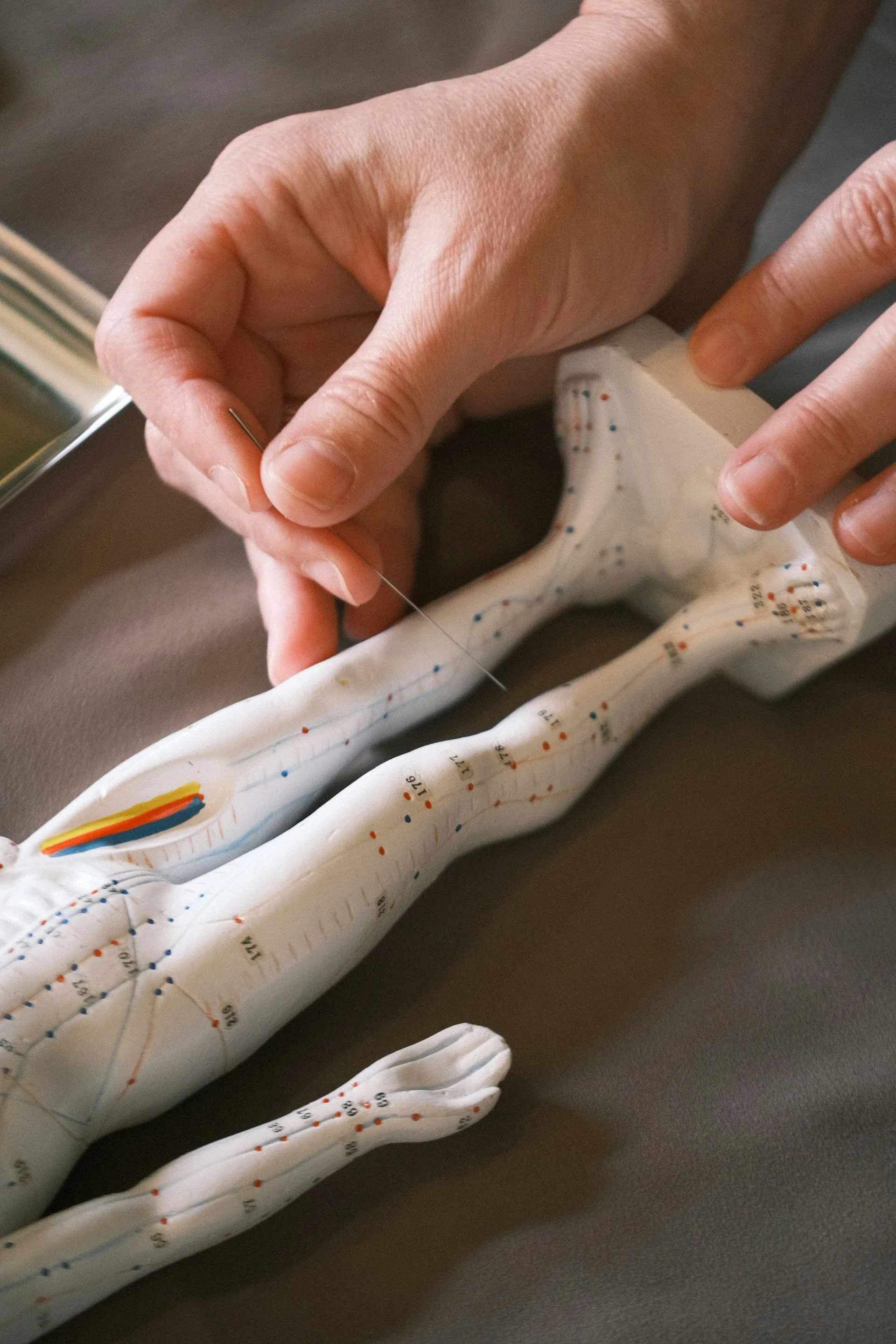
Qi flows through specific pathways called meridians. These are not veins or nerves, but rather energy highways that connect different parts of the body. There are 12 primary meridians, each corresponding to a major organ system, such as the lung, heart, or kidney.
When we treat patients at West End Rehab & Physical Therapy, we look for these "traffic jams" in your meridians. By inserting needles into specific acupoints along these lines, we clear the blockage. This restores the flow of Qi and allows the body to return to a state of balance, or homeostasis.
Yin and Yang Balance
You are likely familiar with the symbol of Yin and Yang. This concept represents opposing but complementary forces.
Yin is cooling, slow, and passive.
Yang is warming, fast, and active.
TCM views health as a dynamic balance between Yin and Yang. If you have inflammation (heat/Yang) or poor circulation (cold/Yin), you are out of balance. Acupuncture points are chosen specifically to cool down heat or warm up cold, restoring equilibrium.
The Western Medical Perspective
While the concept of Qi is poetic and helpful for diagnosis, modern science offers a different explanation. Western medicine seeks to understand the physiological and biochemical changes that occur during an acupuncture session. Research has exploded in this field, especially regarding pain management.
Neurochemical Release
This is the most well-researched mechanism. Acupuncture stimulates the release of powerful neurotransmitters.
Endorphins: These are the body's natural painkillers. They are chemically similar to opioids but are produced internally.
Serotonin: This affects mood and emotion.
Dopamine: This regulates pleasure and reward mechanisms.
When Dr. Kevin Cheyne or our team administers acupuncture, the needle stimulates sensory nerves under the skin and in the muscles. These nerves send a message to the spinal cord and brain, triggering a massive release of these "feel-good" chemicals. This explains why many patients feel a sense of calm or "acupuncture drunk" after a session.
The Gate Control Theory of Pain
Pain signals must travel from the injury site, up the spinal cord, to the brain to be felt. The Gate Control Theory suggests that non-painful input (like the sensation of a fine acupuncture needle) closes the "gates" to painful input.
Think of it like a busy phone line. If the acupuncture signal occupies the line, the pain signal gets a busy tone and cannot get through to the brain. This is particularly effective for chronic pain conditions where the nervous system has become hypersensitive.
Local Blood Flow and Inflammation
Acupuncture points are often located in areas where nerves and blood vessels are concentrated. Inserting a needle increases local blood circulation.
Blood carries oxygen, nutrients, and immune cells. By bringing fresh blood to an injured area (like a strained calf muscle or a stiff lower back), we accelerate the repair process. Furthermore, the "micro-trauma" of the needle triggers a local anti-inflammatory response. This reduces swelling and promotes tissue healing.
Fascial Release
Fascia is the connective tissue that wraps around every muscle and organ in your body. It is like a continuous web. When you have an injury or bad posture, this fascia can become sticky or tangled.
When a needle is inserted and manipulated (twirled slightly), the fascia winds around the needle. This mechanical action stretches the cells and signals them to relax. This physical release of tension contributes significantly to pain relief and improved range of motion.
Neuroimaging and Brain Changes
Recent studies using functional MRI (fMRI) have shown fascinating results regarding acupuncture and the brain. A 2022 meta-analysis revealed that acupuncture modulates specific brain networks associated with chronic pain.
Default Mode Network (DMN): This network is active when your mind is wandering. In chronic pain patients, this network often functions abnormally. Acupuncture helps reset it.
Limbic System: This is the emotional center of the brain. Acupuncture has been shown to calm the amygdala, reducing the anxiety and emotional distress often associated with long-term pain.
At West End Rehab & Physical Therapy, we recognize that pain is both physical and emotional. By affecting the brain's processing centers, acupuncture treats the experience of pain, not just the tissue damage.
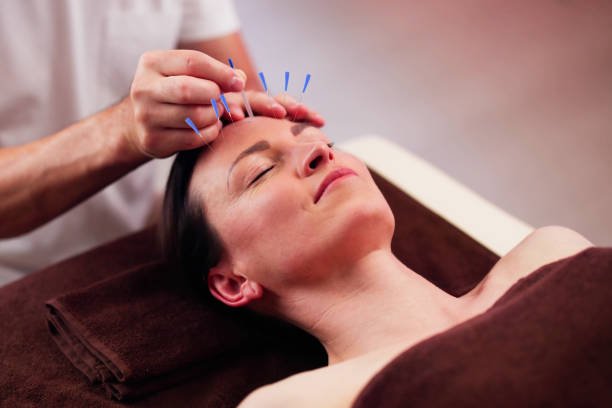
Conditions We Treat with Acupuncture
Acupuncture is versatile. It is recognized by the World Health Organization (WHO) as effective for a wide variety of conditions. At our Etobicoke clinic, we integrate acupuncture into comprehensive treatment plans for the following issues.
Musculoskeletal Pain
This is the most common reason patients visit us.
Lower Back Pain: Dr. Kevin Cheyne specializes in this area. Acupuncture releases tight lumbar muscles and reduces inflammation around the spine.
Neck Pain and Whiplash: Essential for those recovering from car accidents.
Osteoarthritis: It helps manage pain in knees and hips, potentially delaying the need for surgery.
Sciatica: By targeting the sciatic nerve pathway, we can reduce the shooting pain that travels down the leg.
Sports Injuries
Athletes love acupuncture for its ability to speed up recovery.
Tennis Elbow: Reduces inflammation in the tendon.
Sprains and Strains: Accelerates tissue repair.
Muscle Tension: Relaxes over-trained muscles.
Headaches and Migraines
Acupuncture is a powerful preventative tool for migraines. It reduces the frequency and intensity of attacks by regulating blood flow to the head and reducing muscle tension in the neck and shoulders.
Stress and Anxiety
Because acupuncture regulates the nervous system, it shifts the body from "fight or flight" (sympathetic) to "rest and digest" (parasympathetic). This makes it an excellent supportive therapy for anxiety, insomnia, and high stress.

Acupuncture vs. Dry Needling
You may hear these terms used interchangeably, but they have distinct differences.
-
Acupuncture is based on Traditional Chinese Medicine theories (meridians and Qi), combined with modern anatomy. It is often used for systemic issues and overall pain management.
-
Dry Needling (sometimes called intramuscular stimulation) focuses strictly on anatomy and trigger points. It targets "knots" in the muscle to force them to release.
-
At West End Rehab & Physical Therapy, our team is trained in Contemporary Medical Acupuncture. This approach bridges the gap. We apply evidence-based concepts to relieve pain and alter movement patterns. We look at the anatomy and the nervous system dysfunction to provide the most effective relief.
The Assessment
We do not just start sticking needles in you. First, we conduct a thorough history and physical exam. Dr. Cheyne or our physiotherapists will assess your range of motion, strength, and pain levels. We want to understand the root cause of your issue.
The Treatment
You will lie down on a comfortable treatment table. The practitioner will identify specific points based on your condition.
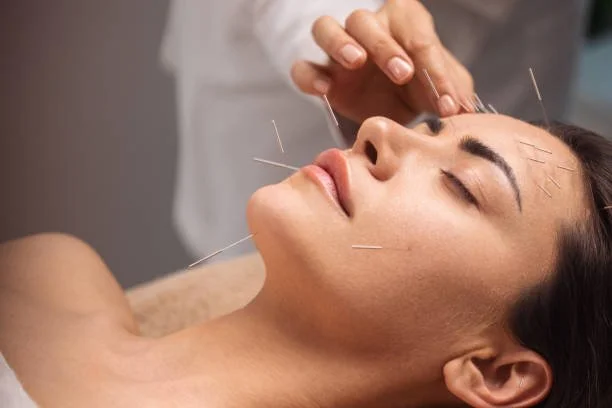
Needle Insertion: The needles are sterile, single-use, and hair-thin. You might feel a tiny pinch, but often you will feel nothing at all.
De Qi Sensation: Once the needle is in, you may feel a dull ache, heaviness, or warmth. This is good! In TCM, this is called "De Qi," and it signals that the treatment is working.
Relaxation: The needles usually stay in for 15 to 30 minutes. Many patients find this time deeply relaxing and even fall asleep.
Electrical Stimulation
Sometimes, we add mild electrical stimulation to the needles. This is called Electroacupuncture. It provides a stronger stimulation to the nerves and is particularly effective for chronic pain and muscle weakness.
After Care
After the needles are removed, you can go about your day. We recommend drinking water and avoiding strenuous exercise for a few hours. You might feel energized, or you might feel relaxed. Both are normal.
What to Expect During Your Visit
If you are new to our clinic at 3853 Bloor St. W, here is what a typical acupuncture session looks like.
Skepticism is healthy, but the data is compelling.
NIH Studies: The National Institutes of Health (NIH) states that acupuncture is effective for postoperative dental pain, addiction, stroke rehabilitation, headache, menstrual cramps, tennis elbow, fibromyalgia, myofascial pain, osteoarthritis, low back pain, carpal tunnel syndrome, and asthma.
Local Data: In Ontario, the use of complementary therapies for back pain is rising. Insurance claims data indicates a significant increase in patients seeking acupuncture as an alternative to opioids. This aligns with our mission to provide drug-free pain management.
Safety Profile: Compared to medication or surgery, acupuncture has an incredibly high safety profile. Serious side effects are extremely rare when performed by licensed professionals like our team.
The Evidence: Does It Really Work?
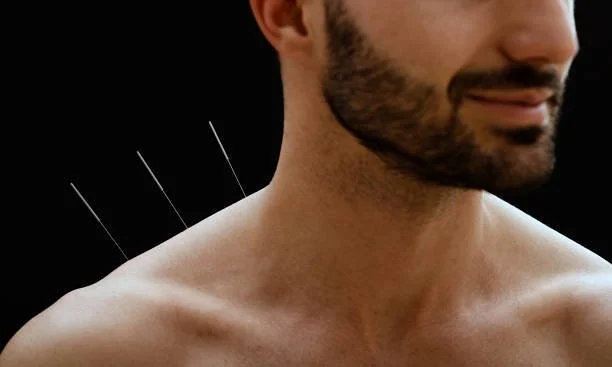
Why Choose West End Rehab & Physical Therapy?
There are many places to get treatment, but we believe our approach stands out.
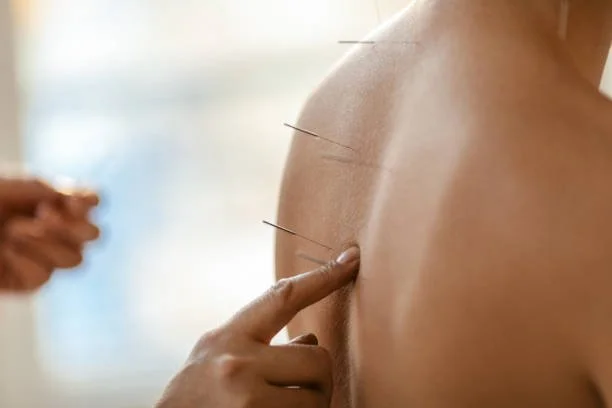
We Are Evidence-Based
We respect tradition, but we practice modern medicine. Our "Contemporary Medical Acupuncture" approach ensures you get the benefits of ancient wisdom backed by current physiological science.
We Are Holistic
We treat the whole person. We do not just look at your knee; we look at how your hip and ankle affect your knee. We combine acupuncture with chiropractic adjustments, physiotherapy exercises, and massage therapy for a comprehensive recovery plan.
We Are Local Experts
Dr. Kevin Cheyne has advanced training as an Advanced Practice Provider (APP) for low back pain. We serve the Central Etobicoke, South Etobicoke, and South-East Mississauga regions with specialized knowledge in spinal health.
We Care About Your Comfort
We know needles can be intimidating. Our team is gentle, communicative, and skilled. We explain every step of the process so you feel safe and in control.

What Our Patients Say
Frequently Asked Questions
We hear these questions often at our front desk. Here are the answers you need.
-
Generally, no. The needles are much thinner than hypodermic needles used for vaccines. You may feel a slight prick upon insertion, followed by a dull pressure or tingling sensation. Most patients describe it as comfortable and relaxing.
-
It depends on the location and your body type. On the hands or feet, needles might go in only a few millimeters. On the buttocks or legs, they might go deeper (1-2 inches) to reach the muscle. We always ensure safety and comfort.
-
The acupuncture cost at West End Rehab & Physical Therapy is $110 for your initial assessment and treatment. The cost for follow-up acupuncture visits is $65. As the cost of acupuncture is subject to change, we recommend checking our website or calling us for the latest rates.
-
Yes, most extended health care plans cover acupuncture when performed by a registered Chiropractor or Physiotherapist. We offer direct billing to most major insurance companies to save you the paperwork.
-
The session varies based on your condition. For an acute injury (like a recent sprain), you might need 3-5 sessions. For chronic conditions (like long-term back pain), you might need 6-10 sessions to see significant, lasting change. We will outline a treatment plan during your first visit.
-
Side effects are rare and mild. They can include slight bruising or bleeding at the needle site, temporary soreness, or lightheadedness. Serious complications are virtually non-existent when performed by our registered professionals.
-
Yes, acupuncture is safe and beneficial during pregnancy for issues like morning sickness, back pain, and swelling. However, certain points must be avoided. Always inform us if you are pregnant so we can modify the treatment.
-
Wear loose, comfortable clothing. If we are treating your knees, wear shorts or pants that roll up easily. If we are treating your back, you may need to change into a gown, which we provide.
-
Acupuncture is a broader system treating pain, systemic issues, and stress using meridian points. Dry needling focuses specifically on releasing muscle trigger points (knots). We are trained to utilize the best aspects of both approaches.
-
Pain relief can last anywhere from a few days to several months. The effects are cumulative. Each session builds on the last, retraining your nervous system to remain in a pain-free state for longer periods.

Dr. Kevin Cheyne
Kevin is the chiropractor that you can trust for treating your aches and pains. His advanced training in lower back pain relief and certification in contemporary medical acupuncture makes him one of the best in assessing and managing lower back issues and their related symptoms.
Kevin runs his own chiropractic and physical therapy office, where he treats patients with various conditions. Dr. Cheyne has extensive experience and advanced training in a variety of techniques to help patients get through their injuries and to manage their pain. These techniques include joint manipulation, acupuncture, soft tissue therapy, therapeutic modalities, and exercise prescription.

Your Path to a Pain-Free Life
You do not have to live with pain. Whether you are dealing with a sports injury, chronic back issues, or just the stress of daily life, acupuncture offers a safe, effective, and drug-free solution.
At West End Rehab & Physical Therapy, we are dedicated to helping our Etobicoke community move better and feel better. We invite you to experience the science and healing of acupuncture for yourself.
Ready to start your recovery?
Book an appointment with us today or call us at (647) 428-5852. Let us help you get back to doing what you love.
