
How Long Is a Physical Therapy Session?
A typical physical therapy session generally lasts between 30 to 60 minutes.
At West End Rehab & Physical Therapy, our initial assessment appointments run for 45 to 60 minutes, while subsequent follow-up treatment sessions are typically 30 minutes.
However, the exact duration can fluctuate based on the severity of your injury, the specific treatment plan required, and the type of therapy being performed.
In this guide, we will break down exactly where that time goes, why it matters for your recovery, and how you can get the most out of every minute you spend with us in Etobicoke.

CHIROPRACTIC ADJUSTMENTS
ACUPUNCTURE
PHYSIOTHERAPY
MASSAGE THERAPY
THERAPEUTIC YOGA
PREGNANCY-RELATED BACK PAIN
SPRAINS & STRAINS
CHAIR YOGA
SPORTS INJURIES
MUSCLE TENSION
KNEE PAIN
LOWER BACK PAIN
NECK PAIN
WHIPLASH TREATMENT
CAR ACCIDENT INJURIES
CHIROPRACTIC ADJUSTMENTS ACUPUNCTURE PHYSIOTHERAPY MASSAGE THERAPY THERAPEUTIC YOGA PREGNANCY-RELATED BACK PAIN SPRAINS & STRAINS CHAIR YOGA SPORTS INJURIES MUSCLE TENSION KNEE PAIN LOWER BACK PAIN NECK PAIN WHIPLASH TREATMENT CAR ACCIDENT INJURIES
Why Time Matters in Rehabilitation
You are busy. We get that. Between work, family, and social commitments, carving out time for medical appointments can feel like a burden. But when it comes to physical therapy (PT), time is a critical ingredient in the recipe for recovery.
Rehabilitation is not a pill you swallow. It is a process. It requires active participation, manual intervention, and education. We view every minute of your session as an investment in your future mobility. Whether you are recovering from a car accident on the 427 or dealing with chronic lower back pain, the time we spend together determines how quickly you can return to the activities you love.
We want to help you understand the "why" behind the scheduling. By understanding the structure of these sessions, you can plan your day better and arrive mentally prepared to work toward a pain-free life.

The Initial Assessment Is the Foundation
Your first visit is always the longest. At West End Rehab & Physical Therapy, we schedule 45 to 60 minutes for this crucial appointment.
This is not just paperwork. This is where we play detective. To treat you effectively, we must understand the root cause of your pain, not just the symptoms.
The Subjective History
We start by listening. We need to know:
When the pain started
What makes it better or worse
Your medical history
Your lifestyle and daily demands
Your specific goals (e.g., lifting grandchildren, running a marathon, or just sleeping without pain)
The Physical Examination
Once we hear your story, we look at your body mechanics. We test your:
Range of Motion: How far can you move a joint before it hurts?
Strength: Are there muscle imbalances contributing to your issue?
Neurology: Are your reflexes and sensation intact?
Functional Movement: How do you walk, squat, or reach?
The Diagnosis and Plan
We use the remaining time to explain what is wrong and how we are going to fix it. We call this the Plan of Care. We break down how many visits you might need and what treatments we will use.
This initial hour sets the trajectory for your entire recovery. Rushing this step would be like building a house without a blueprint.
What Happens During Follow Up Sessions
Once we have a plan, we move into the treatment phase. These sessions are typically shorter, usually lasting 30 minutes at our clinic.
Why shorter? Because we no longer need to diagnose the problem; we just need to treat it.
A standard 30-minute follow-up is highly focused. We might spend the first few minutes checking in on your progress ("How did you feel after the last session?"). The rest of the time is dedicated to therapeutic intervention.
This might include:
Manual Therapy: Hands-on mobilization of joints or soft tissue work.
Therapeutic Modalities: Application of laser, ultrasound, or electrical stimulation (IFC).
Exercise Prescription: Teaching you new movements or correcting your form on existing ones.
Efficiency is key here. We want to deliver the maximum therapeutic benefit without disrupting your entire day.

Factors That Influence Session Length
While 30 to 60 minutes is the standard, several variables can extend or shorten a session.
Complexity of the Condition
A simple ankle sprain is straightforward. We treat the ankle. However, if you have been in a complex motor vehicle accident involving whiplash, lower back pain, and a shoulder injury, we may need more time. Treating multiple body parts requires a more comprehensive approach.
Post-Surgical Rehabilitation
Recovering from surgery (like a knee replacement or rotator cuff repair) often involves stricter protocols. In the early stages, we might need extra time to manage swelling and carefully mobilize the joint. As you get stronger, the sessions might shift toward more intensive exercise, which can also take time to complete properly with supervision.
Patient Mobility and Age
We treat the whole body, from head to toe, and we treat patients of all ages. An elderly patient with limited mobility may require more time to move between treatment tables or exercise equipment. We always adjust our pace to match your comfort level. We never rush a patient who needs a little extra time to move safely.
The Type of Treatment Required
Passive treatments, like setting up electrical stimulation or applying heat, take a fixed amount of time. Active treatments, where we guide you through therapeutic yoga or strength training, require continuous engagement. A session that combines both will naturally be fuller than a session involving only one modality.
Comparing Physiotherapy to Chiropractic Durations
At West End Rehab, we offer a multidisciplinary approach. You might be seeing Dr. Kevin Cheyne for chiropractic care while also seeing Marek Lebzuch for physiotherapy.
It is helpful to know the difference in time commitments:
Physiotherapy: Initial (60 mins), Follow-up (30 mins).
Chiropractic: Initial (45-60 mins), Follow-up (30 mins).
Massage Therapy: Typically 60 minutes, though this is strictly hands-on time.
If you are scheduling back-to-back appointments (e.g., a chiro adjustment followed by massage), you should plan to be at our clinic on Bloor St. W for about an hour and a half to two hours.

The Role of Active vs Passive Treatment
Understanding the difference between active and passive treatment helps explain how time is utilized during your appointment.
Passive Treatments
These are done to you.
Ultrasound and Laser: These modalities help reduce inflammation and promote healing at the cellular level. They typically run for 5 to 10 minutes within the session.
Acupuncture: Dr. Cheyne uses contemporary medical acupuncture. Once the needles are inserted, they usually stay in place for 15 to 20 minutes to effectively modulate the nervous system.
Manual Therapy: This involves the therapist moving your joints or massaging muscles.
Active Treatments
These are done by you, with our guidance.
Corrective Exercises: We watch you perform specific movements to ensure your form is perfect.
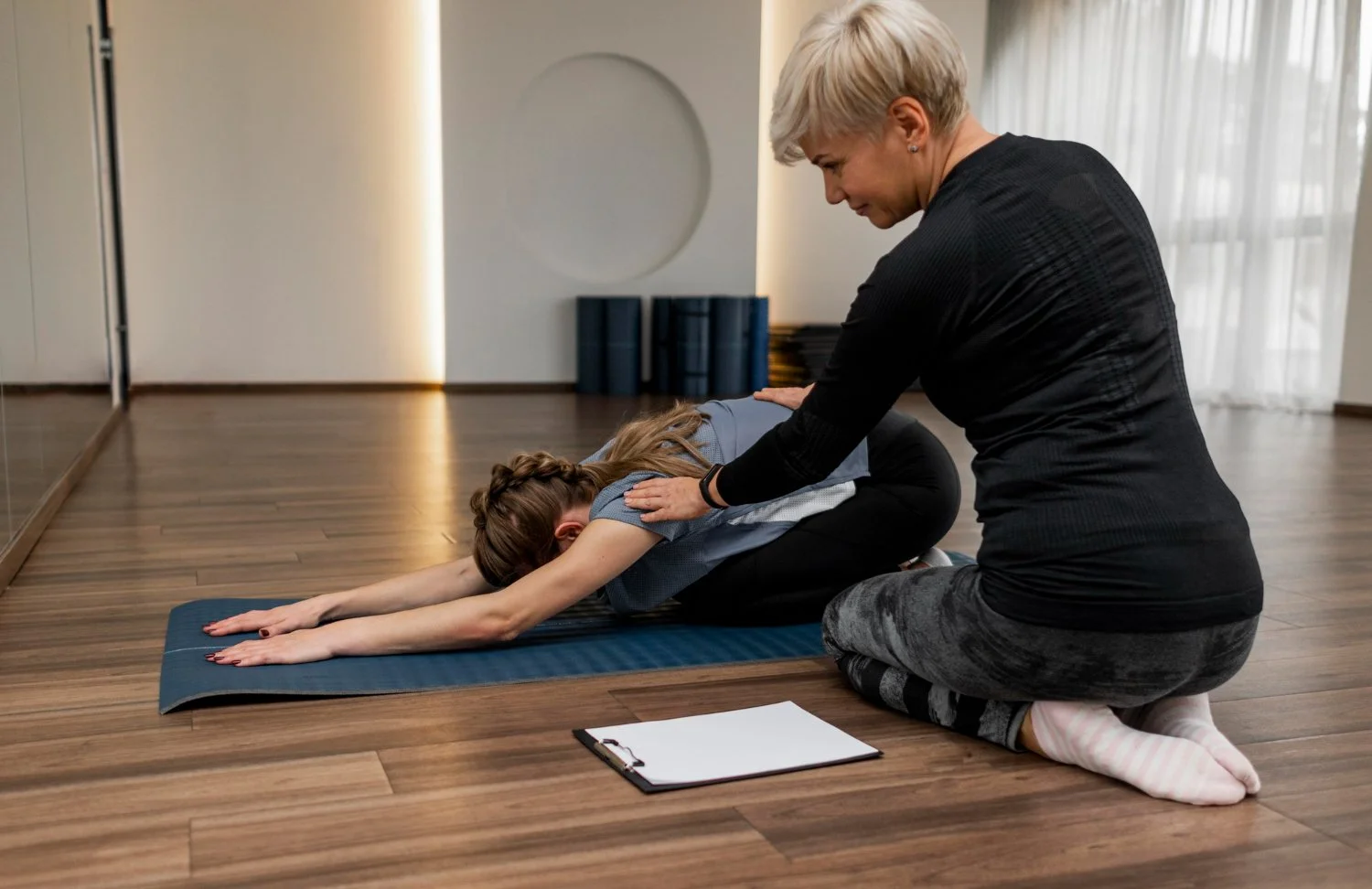
Therapeutic Yoga: Laura McClean, our Yoga Specialist, might guide you through poses to improve flexibility and mind-body connection.
A balanced 30-minute session often blends these. We might spend 10 minutes on manual therapy to loosen a joint, followed by 10 minutes of active exercise to lock in that new range of motion, and finish with 10 minutes of acupuncture or modalities to settle any pain.

Frequency of Visits vs Duration of Visits
Patients often ask us, "How long will I be in therapy?" This refers to the duration of the plan, not just the single session.
According to our clinic data and general industry standards, patients typically see significant improvement within 6 to 10 treatment sessions.
This usually looks like:
Weeks 1-3: 2 visits per week (Focus on pain relief and restoring motion).
Weeks 4-6: 1 visit per week (Focus on strengthening and stabilization).
Maintenance: 1 visit per month (Optional supportive care to prevent recurrence).
Research suggests that the total dose of therapy matters. A study in the Turkish Journal of Medical Sciences found that for chronic low back pain, a higher number of sessions (15 vs. 10) can lead to better outcomes in pain and disability. However, every body is different. We monitor your progress constantly. If you are healing faster, we reduce the frequency. If you need more support, we adjust the plan.

The Hidden Time: Home Exercise Programs
The 30 to 60 minutes you spend with us is only part of the equation. There are 168 hours in a week. If you only work on your rehab for one hour a week with us, progress will be slow.
We provide tools to take control of your pain. This means we prescribe a Home Exercise Program (HEP). These are short, targeted routines you do daily.
While this doesn't extend your appointment time at the clinic, it is a time commitment you need to factor into your daily life. Usually, these routines take about 10 to 15 minutes a day. Doing them consistently is the secret to graduating from therapy sooner.
Does Insurance Impact Session Length?
In Ontario, standard physiotherapy sessions are generally determined by clinical need, but insurance coverage can play a role in how treatment is structured.
Extended Health Benefits: Most plans cover a specific dollar amount per visit or a percentage of the fee. Our standard times (60 min initial, 30 min follow-up) align with most insurer expectations.
Motor Vehicle Accidents (MVA): If you are injured in a car accident, the Financial Services Regulatory Authority of Ontario (FSRA) has specific guidelines. We may have allotted blocks of time to treat complex whiplash or soft tissue injuries, often allowing for comprehensive sessions that include documentation and assessment.
WSIB (Workplace Injuries): Workplace injuries often have specific Programs of Care that dictate the frequency and focus of treatment.
We offer direct billing to most insurance companies to make this process seamless for you. We handle the paperwork so you can focus on the clock during your rehab, not the clock on the wall.

Specific Conditions and Their Time Demands
Different injuries demand different time investments. Here is how common conditions we treat at West End Rehab impact session flow.
-
Chronic Lower Back Pain
Dr. Kevin Cheyne has extensive training as an Advanced Practice Provider for lower back pain. These sessions often require a mix of spinal manipulation, acupuncture, and core stabilization. Because back pain is often multifaceted, we maximize the 30-minute follow-up with high-value interventions.
-
Arthritis Management
Arthritis is chronic. We cannot "cure" it, but we can manage it. Sessions focus on pain management and maintaining joint mobility. These appointments are often consistent in length but spaced out over a longer period (maintenance care) to keep you moving well.
-
Sports Injuries
An athlete with a torn hamstring needs dynamic movement. As recovery progresses, sessions might feel more like a workout. We might spend more time on the gym floor testing your ability to jump, sprint, or cut before clearing you to return to sport.
In Home Therapy Duration
We understand that severe injury or mobility issues can make getting to our clinic difficult. That is why we offer In-Home Therapy for patients in Etobicoke and East Mississauga.
These sessions follow a similar structure typically 60 minutes for an initial assessment and variable times for follow-ups depending on the patient's stamina. The benefit here is that we can assess your home environment (stairs, bathroom safety) in real-time, adding massive value to the time spent.

How to Optimize Your 30 Minutes
Since follow-up sessions move quickly, you want to make every minute count. Here is how our most successful patients do it:
Arrive Early: If your appointment is at 3:00 PM, aim to arrive at 2:50 PM. This gives you time to use the washroom, change clothes, and relax.
Dress appropriately: Wear loose, comfortable clothing. If we are treating your knee, wear shorts. If it is your shoulder, wear a tank top. Struggling with tight jeans eats into your treatment time.
Know Your Update: Be ready to tell us exactly how you felt after the last session. "I felt great for two days, then the pain came back," is very helpful info that lets us adjust immediately.
Do Your Homework: If you haven't done your home exercises, we have to spend session time reteaching them. If you have done them, we can progress you to more advanced (and effective) stuff.

Why Choose West End Rehab & Physical Therapy?
We know you have choices in Etobicoke. But we believe our approach to time and care sets us apart.
We Value Your Time: We strive to run on time because we know you have a life to get back to.
Registered Professionals: You are treated by registered experts like Marek Lebzuch (PT) and Dr. Kevin Cheyne (DC), not just assistants.
Holistic View: We treat the whole body. We don't just look at the clock; we look at your outcomes.
Convenience: We are located centrally at 3853 Bloor St. W, with easy access to transit and highways.
We treat and educate our patients on their path to optimal health. Our goal is not to keep you in therapy forever; it is to give you the tools to manage your pain on your own.
The Correlation Between Session Length and Recovery
Is a longer session always better? Not necessarily.
Research in rehabilitation science suggests that the quality of the intervention matters more than the sheer quantity of minutes. A highly specific, skilled manual therapy adjustment followed by 15 minutes of targeted exercise is often more effective than 60 minutes of vague, low-intensity heat therapy.
At West End Rehab, we focus on evidence-based medicine. We use techniques that are proven to work. Whether it is contemporary medical acupuncture or specific spinal adjustments, we aim for maximum efficacy. We prefer to give you just the treatment that is needed—no fluff, no wasted time.

What Our Patients Say
-
The initial assessment typically takes between 45 and 60 minutes. This allows sufficient time for a full history, physical exam, and the start of treatment.
-
Follow-up sessions at West End Rehab generally last 30 minutes. These sessions focus on active treatment and progression of your rehab plan.
-
Yes, we recommend arriving 10-15 minutes early for your first visit to complete paperwork. For follow-ups, arriving 5 minutes early ensures you get your full treatment time.
-
Yes, in most cases. After the assessment is complete, we aim to start treatment immediately to provide you with some relief before you leave.
-
It can. If you are being treated for two distinct, complex injuries (e.g., a neck injury and a knee injury), we may need to schedule a longer block of time. Discuss this with our admin team when booking.
-
At our clinic, your assessment and the core of your treatment are managed by Registered professionals. We prioritize expert care.
-
While it varies, most patients see significant results in 6 to 10 visits. This often spans 4 to 8 weeks, tapering in frequency as you improve.
-
Not necessarily. Acupuncture is often integrated into the standard appointment time. The needles may stay in for 15-20 minutes, during which you relax, or we may perform other therapies on different areas.
-
If you feel you have complex needs requiring more time, please speak with us. We can discuss extended session options and the associated costs.
-
Unfortunately, yes. To respect the time of the patient scheduled after you, if you arrive late, your session must still end at the scheduled time.
Frequently Asked Questions

Dr. Kevin Cheyne
Kevin is the chiropractor that you can trust for treating your aches and pains. His advanced training in lower back pain relief and certification in contemporary medical acupuncture makes him one of the best in assessing and managing lower back issues and their related symptoms.
Kevin runs his own chiropractic and physical therapy office, where he treats patients with various conditions. Dr. Cheyne has extensive experience and advanced training in a variety of techniques to help patients get through their injuries and to manage their pain. These techniques include joint manipulation, acupuncture, soft tissue therapy, therapeutic modalities, and exercise prescription.

Conclusion
Time is the most valuable resource we have. When you are in pain, every minute can feel like an hour. That is why we are dedicated to making your rehabilitation efficient, effective, and focused on results.
A physical therapy session is 30 to 60 minutes of your day, but the impact lasts a lifetime. It is the difference between sitting on the sidelines and getting back in the game. It is the difference between waking up stiff and waking up ready to move.
If you are dealing with an injury, chronic pain, or just want to move better, do not wait. Let's make the most of your time.
Book an appointment with West End Rehab & Physical Therapy today.
Let us help you get fixed for good.
