
How Often Should You Get Massages? The Ultimate Guide
You just walked out of a massage session. Your shoulders have finally dropped away from your ears, that nagging knot in your lower back is gone, and you feel lighter than air. You probably ask yourself, "Why don't I do this more often?"
The next question usually is, "How often should I do this?"
If you search online, you will find vague answers. Some say once a month. Others say weekly. At West End Rehab & Physical Therapy here in Etobicoke, we believe the answer lies in your specific goals. Are you recovering from a car accident? Are you an athlete training for a marathon? Or are you simply trying to manage the stress of daily life in Toronto?
In this guide, we will break down exactly how often you should book a massage based on data, research, and our clinical experience. We will look at what the science says about chronic pain and help you build a schedule that keeps you pain-free.

CHIROPRACTIC ADJUSTMENTS
ACUPUNCTURE
PHYSIOTHERAPY
MASSAGE THERAPY
THERAPEUTIC YOGA
PREGNANCY-RELATED BACK PAIN
SPRAINS & STRAINS
CHAIR YOGA
SPORTS INJURIES
MUSCLE TENSION
KNEE PAIN
LOWER BACK PAIN
NECK PAIN
WHIPLASH TREATMENT
CAR ACCIDENT INJURIES
CHIROPRACTIC ADJUSTMENTS ACUPUNCTURE PHYSIOTHERAPY MASSAGE THERAPY THERAPEUTIC YOGA PREGNANCY-RELATED BACK PAIN SPRAINS & STRAINS CHAIR YOGA SPORTS INJURIES MUSCLE TENSION KNEE PAIN LOWER BACK PAIN NECK PAIN WHIPLASH TREATMENT CAR ACCIDENT INJURIES
The Short Answer for Busy People
If you want a quick takeaway, here it is.
For general wellness and stress management, once a month is the standard maintenance schedule. This helps prevent minor tightness from becoming a major injury.
However, if you are dealing with chronic pain or recovering from an acute injury, you need more frequency. Research suggests that for conditions like chronic neck pain, 60-minute sessions two to three times a week for the first month provide the best outcomes.
There is no one-size-fits-all number. Your ideal frequency depends on your budget, your pain levels, and your physical activity.
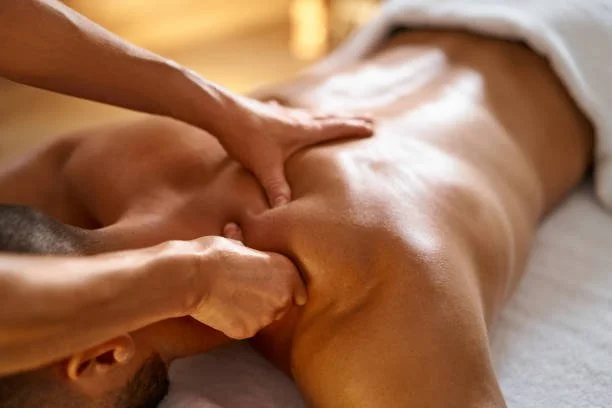
How Often Can You Go for a Massage?
Why Consistency Matters More Than Intensity
Many people treat massage therapy as a luxury. They wait until they are in excruciating pain before they book an appointment. This is the "break-fix" model of health, and it is rarely effective.
Think of your muscles like teeth. You brush your teeth daily to prevent cavities. You do not wait until you need a root canal to start brushing. Massage therapy works the same way. It is a preventative tool.
When you get massaged regularly, your body learns to relax. Your nervous system shifts from "fight or flight" to "rest and digest" more easily. Soft tissue stays pliable. Circulation improves.
If you only visit a Registered Massage Therapist (RMT) once a year, you are essentially starting from scratch every time. Regular visits allow us to make progress rather than just doing damage control.
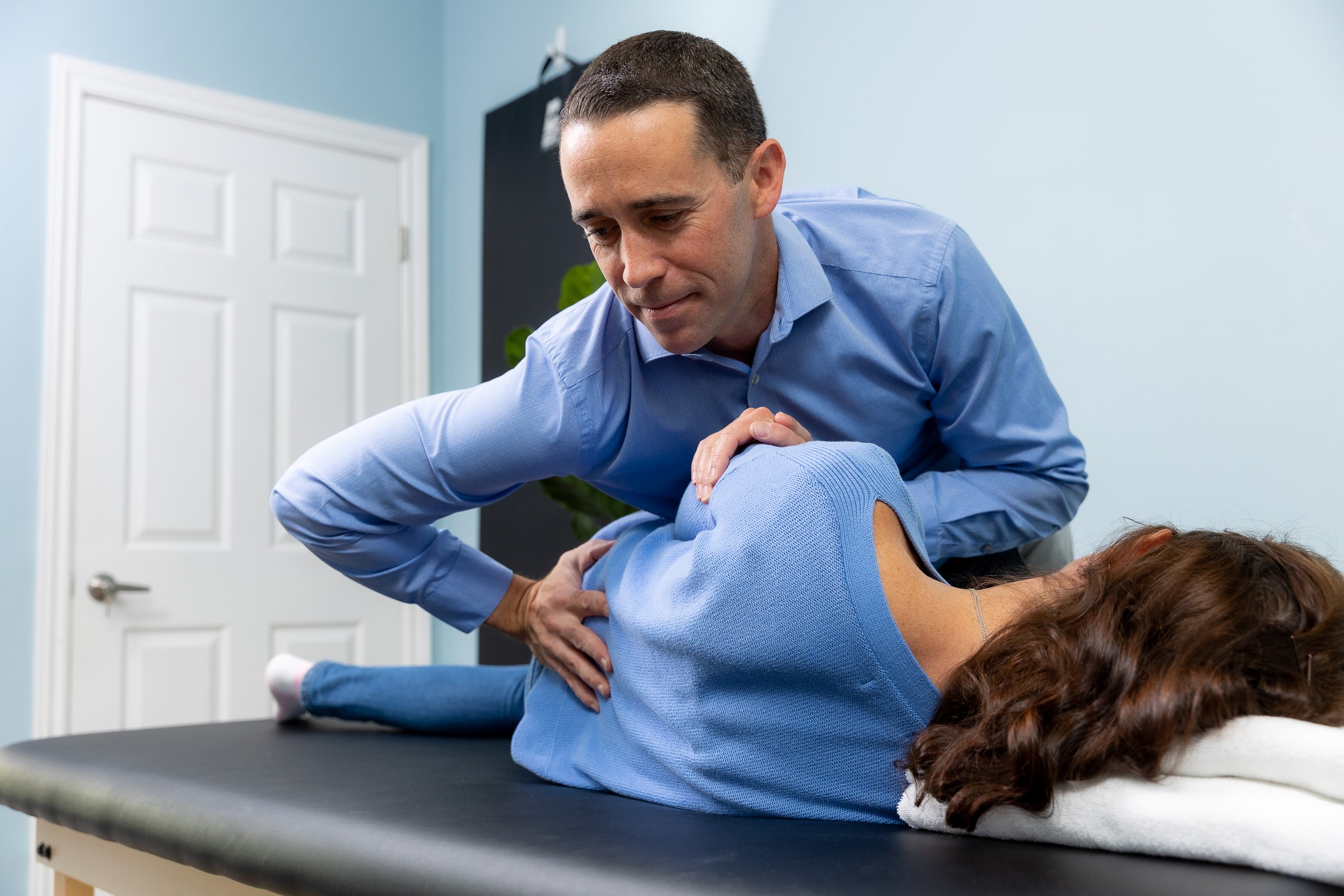
Frequency for Chronic Pain Management
Chronic pain is a reality for millions of Canadians. In fact, studies show that up to 85% of adults will experience low back pain at some point in their lives. The prevalence of back pain is highest between the ages of 35 and 55, which is exactly the demographic we see most often at our Bloor St. W clinic.
When dealing with chronic issues, frequency is key.
A pivotal study published in The Annals of Family Medicine looked specifically at optimal dosing for chronic neck pain. The results were clear. Patients who received 60-minute massages two or three times a week saw significant improvements in pain and function compared to those who went less often or for shorter durations.
What does this mean for you?
If you have been suffering from neck or back pain for months, one session will not fix it. We recommend starting with a higher frequency perhaps weekly or bi-weekly to get the pain under control. Once your symptoms improve, we taper you down to a maintenance schedule.
At West End Rehab & Physical Therapy, our goal isn't to keep you coming back forever. As our mission statement says, we prefer to give you just the treatment that is needed. We want to give you the tools to manage pain on your own and get you fixed for good.
Massage Therapy for Athletic Performance
Athletes have different needs than the general population. Whether you are a weekend warrior playing soccer in Centennial Park or a competitive runner, your muscles take a beating.
For athletes, we recommend timing your massages around your training cycle.
During Heavy Training
If you are in a peak training block, a weekly massage can help flush out metabolic waste and keep tissues flexible. This reduces the risk of strains and sprains.
Pre-Event
A light, flushing massage 2-3 days before a big event can help prepare your muscles without leaving you feeling lethargic.
Post-Event
Recovery is crucial. A deep tissue massage 24 to 48 hours after a major event helps reduce Delayed Onset Muscle Soreness (DOMS).
We treat many sports injuries at our clinic. Our team understands that you want to get back to your sport as quickly as possible. Integrating massage with physiotherapy can accelerate that timeline significantly.
Handling Acute Injury and Car Accidents
If you have been in a car accident or suffered a workplace injury, your schedule will look different.
In the acute phase (the first few days or weeks after injury), your body is inflamed. Aggressive deep tissue work might be too much. However, gentle lymphatic drainage or lighter techniques can help reduce swelling.
For motor vehicle accident (MVA) rehabilitation, we often see patients up to twice a week initially. This often involves a combination of therapies. We might combine massage therapy with chiropractic adjustments or acupuncture to manage pain from multiple angles.
Dr. Kevin Cheyne, our Clinic Director, has extensive training in treating MVA injuries. We work with your auto insurance to ensure you get the care you need without financial stress. We handle the direct billing so you can focus on healing.

The Role of Stress and Mental Health
We cannot talk about massage without talking about stress.
Ontario is seeing a boom in the massage therapy profession. The College of Massage Therapists of Ontario (CMTO) reported a 30% increase in RMTs between 2013 and 2023. There are now over 15,000 RMTs in the province.
Why the growth? Because people are stressed.
Massage therapy is a powerful tool for mental health. It reduces cortisol (the stress hormone) and increases serotonin and dopamine.
If your primary goal is stress reduction, a monthly massage is a great baseline. If you are going through a particularly high-stress period like a crunch time at work or a family crisis—bumping that up to every two weeks can make a massive difference in your resilience.

Combining Therapies for Better Results
One of the unique advantages of West End Rehab & Physical Therapy is that we are a multidisciplinary clinic. We do not just offer massages. We offer a complete healthcare ecosystem.
Massage therapy works incredibly well when paired with:
Chiropractic Care: While massage targets the muscles, chiropractic care targets the joints and nervous system. Dr. Kevin Cheyne can adjust a locked joint, and our RMT, Aziz Ahmad, can release the tight muscles surrounding it. This provides longer-lasting relief than either treatment alone.
Physiotherapy: If you have a muscle imbalance, massage can loosen the tight side, while physiotherapy exercises strengthen the weak side. This fixes the root cause of the pain.
Acupuncture: This is excellent for nerve pain and trigger points. Combining acupuncture with massage can down-regulate a sensitized nervous system very effectively.
By having all these experts under one roof in Central Etobicoke, we can collaborate on your file. We talk to each other to ensure your treatment plan is cohesive
To stretch the benefits of your massage (and save money by needing fewer visits), follow these tips:
Hydrate: Massage releases waste products from your tissues. Water helps flush them out.
Move: Avoid staying in the same position that caused your pain. If you sit at a desk, get up every hour.
Stretch: Our team will give you specific therapeutic exercises or yoga poses. Laura McClean, our Therapeutic Yoga Specialist, can guide you through movements that maintain your flexibility.
Ergonomics: Fix your workstation. No amount of massage will fix a neck problem if you stare down at a laptop 8 hours a day.
How to Maintain Results Between Visits
You are with us for one hour. You are in the real world for the other 167 hours of the week. What you do during that time matters.

Signs You Need to Book an Appointment Now
How do you know it is time to come in? Listen to your body. Here are the red flags:

Headaches: Tension headaches often start in the neck and shoulders.
Reduced Range of Motion: Can you check your blind spot while driving? If turning your head is difficult, your neck muscles are locked up.
Sleep Disruption: If pain is waking you up at night, you need treatment immediately. Sleep is essential for healing.
Persistent Stiffness: Waking up stiff is common. Staying stiff until noon is not.
What to Expect at Our Etobicoke Clinic
If you have never visited us at 3853 Bloor St. W, here is what the process looks like.
We start with an assessment. We do not just guess where it hurts. We look at your posture, your range of motion, and your injury history.
Our treatments are hands-on. We use evidence-based techniques tailored to your tolerance. Whether you need deep tissue work or a lighter touch, we adjust to you.
We are open at convenient hours, including evenings until 7:00 pm on Tuesdays and Thursdays, to fit your work schedule.

What Our Patients Say
-
Yes, absolutely. We are registered with all major online insurance billing systems. This includes extended health care plans, auto insurance, and WSIB. For most plans, we can direct bill, meaning you only pay the co-pay (if any) out of pocket.
-
At our clinic, a 60-minute massage therapy session is $110 + HST. This is a standard rate for high-quality, Registered Massage Therapy in Toronto.
-
For us to treat you, no referral is needed. However, some insurance plans require a doctor's referral for reimbursement. We recommend checking your specific benefits booklet or calling your insurance provider to confirm.
-
It is possible. You might feel "good sore," similar to how you feel after a workout. This is called Delayed Onset Muscle Soreness. It usually fades within 24 hours. If you are concerned about pressure, always communicate with your therapist during the session.
-
For localized issues (like just a sore neck), 30 or 45 minutes might suffice. However, for a full-body treatment or complex chronic pain, 60 minutes is the most common and effective duration.
-
Yes. We treat pregnancy-related back pain and muscle tension. Our therapists are trained to position you safely and comfortably. Massage can be a huge relief for the hip and lower back pain associated with pregnancy.
-
Wear whatever you are comfortable in to get to the clinic. During the massage, you will be covered by a sheet and blanket at all times. You only uncover the specific area being treated. You can undress to your comfort level some patients keep underwear on, others do not. It is entirely up to you.
-
Yes. While massage cannot cure arthritis, it can significantly manage the symptoms. It improves circulation to the joints, reduces swelling, and relaxes the muscles that tighten up to "protect" the painful joint.
-
Yes, and many of our patients do! It is often effective to have the muscles loosened by a massage therapist before doing rehabilitative exercises with a physiotherapist.
-
You can book online through our website. It is the fastest way to see real-time availability for Aziz Ahmad and the rest of our team.
Frequently Asked Questions
Here are the most common questions we hear from patients regarding massage therapy frequency and logistics.

Dr. Kevin Cheyne
Kevin is the chiropractor that you can trust for treating your aches and pains. His advanced training in lower back pain relief and certification in contemporary medical acupuncture makes him one of the best in assessing and managing lower back issues and their related symptoms.
Kevin runs his own chiropractic and physical therapy office, where he treats patients with various conditions. Dr. Cheyne has extensive experience and advanced training in a variety of techniques to help patients get through their injuries and to manage their pain. These techniques include joint manipulation, acupuncture, soft tissue therapy, therapeutic modalities, and exercise prescription.

Take Control of Your Pain Today
You do not have to live with pain. Whether it is a stiff neck from Zoom calls or lower back pain that just won't quit, consistent massage therapy can change your life.
Remember, the goal is not to be in therapy forever. The goal is to get your body functioning so well that you only need to see us for maintenance.
If you are ready to start feeling better, come see us in Central Etobicoke. We are ready to help you get back to doing the activities you love.
