
First Yoga Session in Etobicoke? Here Is Exactly What To Expect
Your first session with a yoga instructor involves a detailed review of your medical history, a non-invasive physical movement screening, and a gentle introduction to breathwork and poses tailored to your specific mobility level. Unlike a crowded fitness studio, a therapeutic session at a clinic focuses on alignment, safety, and addressing specific pain points like lower back tension or joint stiffness.
You might feel nervous about stepping into a yoga session for the first time. You are not alone. Many residents in Etobicoke hesitate because they worry they aren't flexible enough or fear aggravating an old injury.
Here is the truth. You do not need to be flexible to start. You do not need to wear expensive gear. You simply need a willingness to move.
At West End Rehab & Physical Therapy, we specialize in a clinical approach to yoga. We understand that every body is unique. Our goal is to guide you toward better mobility without the stress of keeping up with a fast-paced group.
In this guide, we break down exactly what happens during your initial visit, why our therapeutic yoga in Etobicoke differs from standard classes, and how our team helps you regain control of your health.

Understanding the Difference Between Therapeutic and Standard Yoga
You probably associate yoga with hot rooms, difficult twisting poses, and athletic twenty-somethings. That is standard fitness yoga. It is great for a workout, but it is not always safe for someone managing chronic pain or recovering from an injury.
Therapeutic yoga is distinct. It applies specific yoga techniques such as modified postures, breathwork, and meditation to address physical and mental health conditions. It is not about perfecting a handstand. It is about healing.
When you visit us, you receive treatment rather than just taking a class. We focus on the "why" behind every movement. We use yoga to support rehabilitation, manage chronic pain, and lower stress levels. This clinical focus makes it an ideal complement to the chiropractic care and physiotherapy we offer at our clinic.
The State of Health and Mobility in Toronto
You might be wondering why so many of your neighbors in Etobicoke are turning to therapeutic yoga. The local data tells an interesting story.
According to the Toronto Population Health Profile 2023, the most common disability types reported in our city relate specifically to pain (14%), flexibility (11%), and mobility (10%). If you struggle to move freely, you are part of a significant group of people facing similar challenges.
The data also highlights a mental health component. The same report indicates that the percentage of Torontonians who feel they have people to depend on dropped from 70% in 2018 to 59% in 2022. Stress levels are high, and isolation is real.
Physical pain and mental stress often feed into each other. When you hurt, you stress. When you stress, your muscles tighten, causing more pain. By engaging in therapeutic yoga, you address both the physical restrictions and the mental strain that often accompanies chronic health issues.

Your first visit with us begins with a conversation. We do not ask you to perform any movements until we understand your story. This is the "intake" phase.
We will ask you about your current injuries. We need to know if you are dealing with arthritis, sciatica, or "tech neck." We will ask about past surgeries and any recent accidents, such as a motor vehicle collision.
We also need to know about your general medical history. Conditions like high blood pressure, glaucoma, or vertigo influence which poses are safe for you. For example, if you have unmanaged high blood pressure, we avoid poses where your head is below your heart.
This conversation also covers your lifestyle. A 2017 Toronto Public Health report noted that while some adults meet physical activity guidelines, many struggle with sedentary lifestyles due to office jobs. If you sit at a desk in Etobicoke for eight hours a day, your hips and lower back require different attention than someone who stands all day.
We want to know your goals. Do you want to touch your toes? Do you want to put on your socks without back pain? Do you simply want an hour of peace? Understanding your specific motivation helps us create a relevant treatment plan.
Your Initial Consultation and Health History Review
The Physical Assessment Phase
We move to a physical assessment once we understand your history. This is not a test. You cannot fail it. We simply observe how your body moves in space.
We look at your posture while you stand and sit. We may ask you to perform simple movements. You might raise your arms overhead or bend forward slightly. We are looking for imbalances and tension patterns.
For example, if you are protecting a lower back injury, you might unconsciously shift your weight to one leg. We spot these subtleties. This assessment allows us to modify poses so they are safe for your specific body mechanics.
This screening helps us identify the root cause of your discomfort. Often, pain in the lower back stems from tight hamstrings or weak core muscles. By seeing how your body operates, we tailor the session to address the source rather than just the symptoms.

You will learn how to breathe before you learn how to stretch. It sounds simple, but most people breathe shallowly into their chest, especially when they are in pain.
Pain triggers the sympathetic nervous system. This is the "fight or flight" response. It creates a cycle where pain causes stress, and stress tightens muscles.
We teach you diaphragmatic breathing. This involves breathing deeply into the belly. This technique activates the parasympathetic nervous system, also known as the "rest and digest" state.
By calming your nervous system first, we prepare your muscles to relax. You cannot stretch a muscle effectively if your body is in a state of alarm. This breathwork is a tool you can use anywhere, whether you are in traffic on the Gardiner Expressway or sitting at your desk.
Introduction to Breathwork and Nervous System Regulation

Gentle Movement and Guided Postures
We begin physical movement after the assessment and breathing introduction. In a therapeutic setting, we prioritize function over form. We do not care if your pose looks like a magazine cover. We care if it feels right in your body.
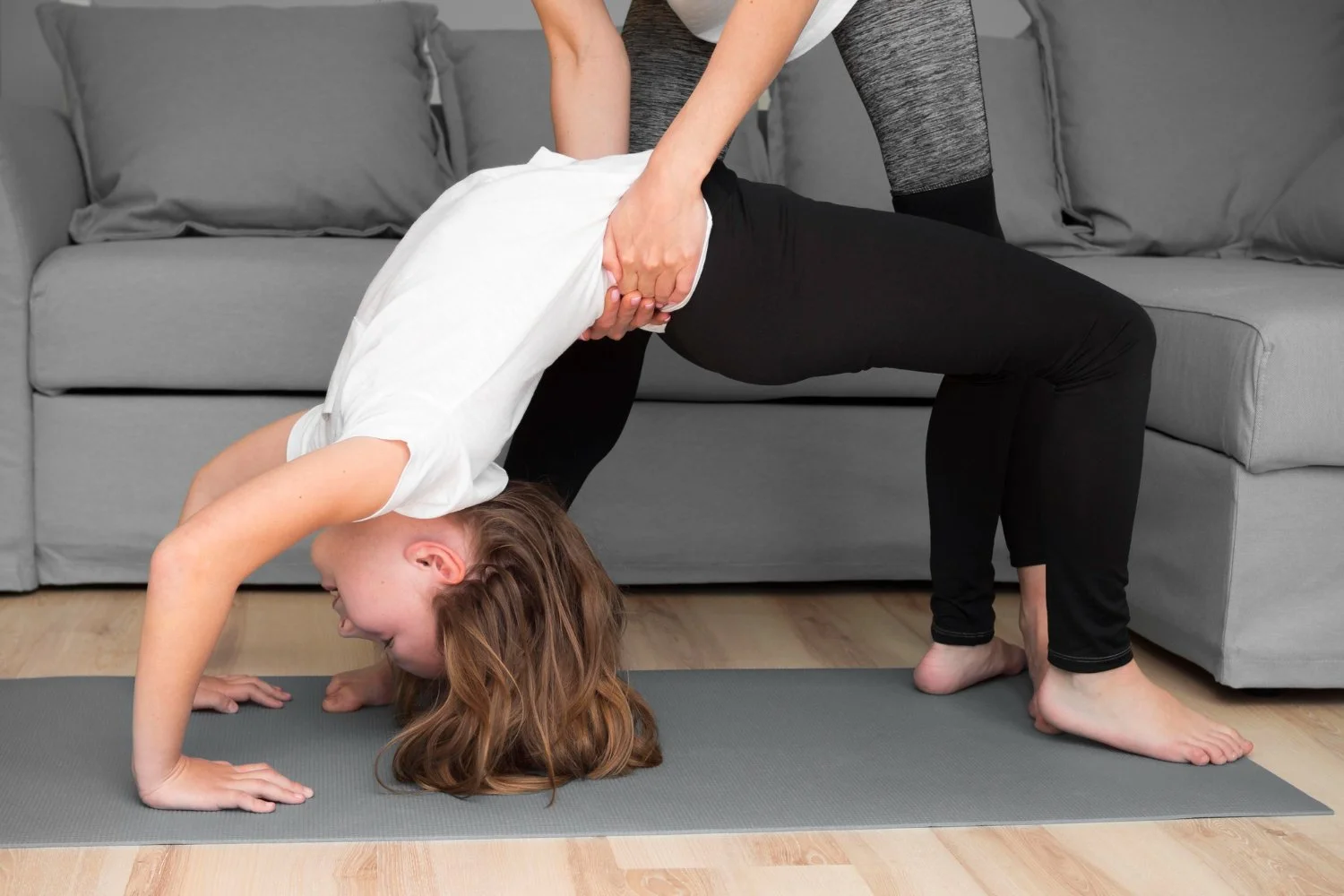
Laura McClean, our Therapeutic Yoga Specialist, often utilizes Chair Yoga techniques. This approach is excellent for those who have difficulty getting up and down from the floor.
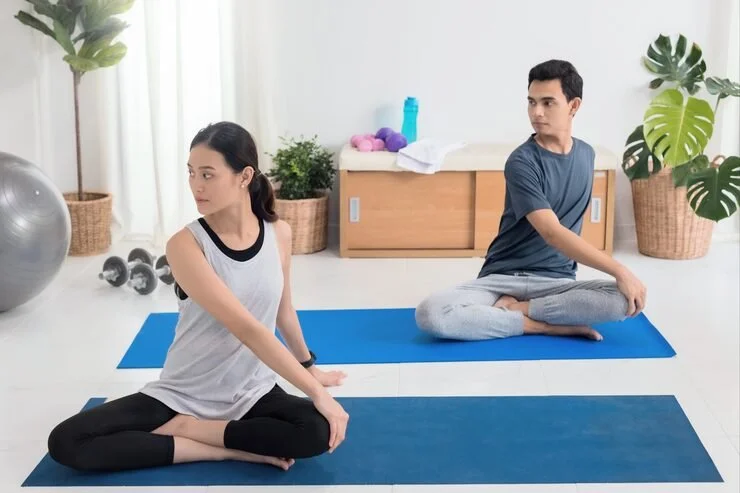
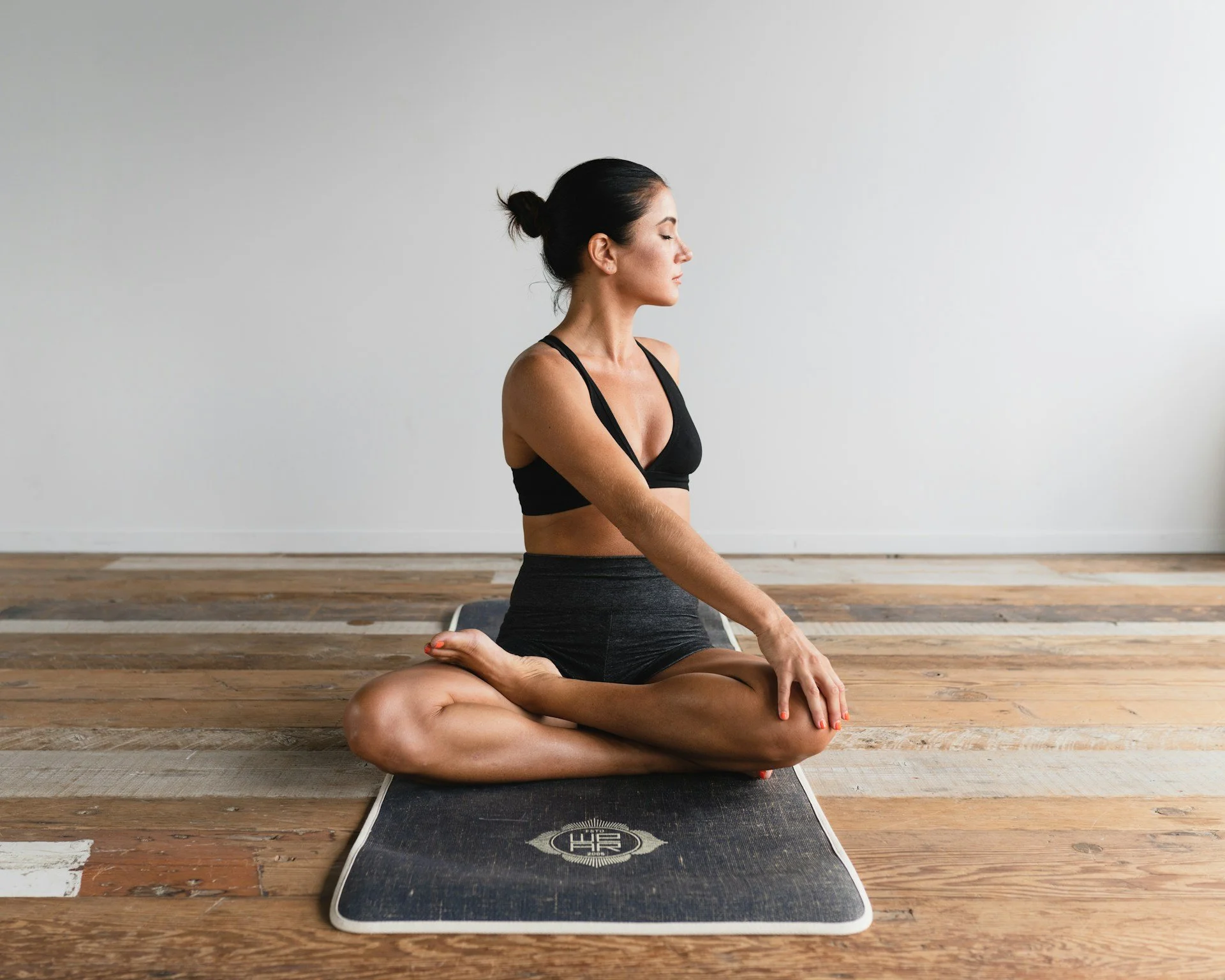
You might perform gentle spinal twists while seated to mobilize the back. You might use a strap to stretch tight hamstrings while lying safely on your back. The movements are slow and controlled.
We constantly ask for your feedback. Does this movement feel like a stretch or pain? If it is pain, we stop and adjust immediately. This communication builds trust and ensures you never push past your limits.

Customizing the Session for Chronic Conditions
One of the major benefits of seeing a specialist at West End Rehab & Physical Therapy is our ability to adapt to chronic conditions. A general yoga class cannot always offer this level of personalization.
If you have arthritis, we focus on gentle range of motion. Movement lubricates the joints with synovial fluid, which reduces stiffness. However, we ensure you do not place heavy loads on sensitive joints.
If you have osteoporosis, we modify movements to protect your spine. We avoid deep forward bends and extreme twists. Instead, we focus on stability and balance exercises to prevent falls.
If you suffer from vertigo, we modify transitions. We avoid rapid head movements. We keep your gaze steady to prevent dizziness.
This level of customization makes therapeutic yoga a safe option for seniors and those with specific medical concerns.

You do not need to worry about the "yoga aesthetic." You do not need expensive brand-name leggings.
Wear comfortable clothing that allows you to move freely. A loose t-shirt and sweatpants are perfect. You want fabrics that breathe and do not restrict your circulation.
We provide all necessary equipment. This includes mats, blocks, straps, and chairs. However, if you have a personal mat you prefer, you are welcome to bring it.
We recommend bringing a water bottle to stay hydrated. Hydration is key to muscle recovery after any form of movement.
What to Wear and Bring to Your Session
Immediate Benefits You Might Experience
You might feel a shift after just one session. Long-term healing takes time, but the immediate effects are often noticeable.
Physically, you may feel a sense of "space" in your joints. Tight muscles often feel looser. Your circulation improves, bringing warmth to cold hands and feet.
Mentally, the effect is often profound. The combination of focused breathing and gentle movement lowers cortisol levels. You might leave feeling lighter, calmer, and more grounded than when you arrived.
Many of our patients report sleeping better the night after their first session. Pain often keeps people awake, and by relaxing the nervous system, you prepare the body for rest.
Long Term Health Impact of Therapeutic Yoga
Consistency is key to rehabilitation. Regular sessions can lead to significant changes in your health profile.
Research on Back Pain
The scientific evidence supporting yoga for back pain is robust. A 2020 meta-analysis published in PLOS One reviewed multiple studies. The researchers found that yoga significantly reduced pain and improved functional disability in patients with chronic low back pain compared to non-exercise interventions.
Furthermore, a 2023 overview in Frontiers in Neurology concluded that yoga is an effective and safe non-pharmacological therapeutic modality for managing chronic low back pain.
Research on Knee Osteoarthritis
If you suffer from knee pain, yoga helps here too. A 2024 study published in PLOS One analyzed randomized controlled trials regarding yoga and knee osteoarthritis. The findings indicated that yoga effectively reduced pain and stiffness while improving physical function.

Comparing Group Classes vs Private Sessions
We offer small group formats at West End Rehab & Physical Therapy. This provides a balance between personal attention and community support.
Private Sessions
A private session offers 100% attention to you. This is ideal for acute injuries or severe mobility issues. We can modify every single breath and movement to your exact needs.
Small Group Sessions (Therapeutic/Chair Yoga)
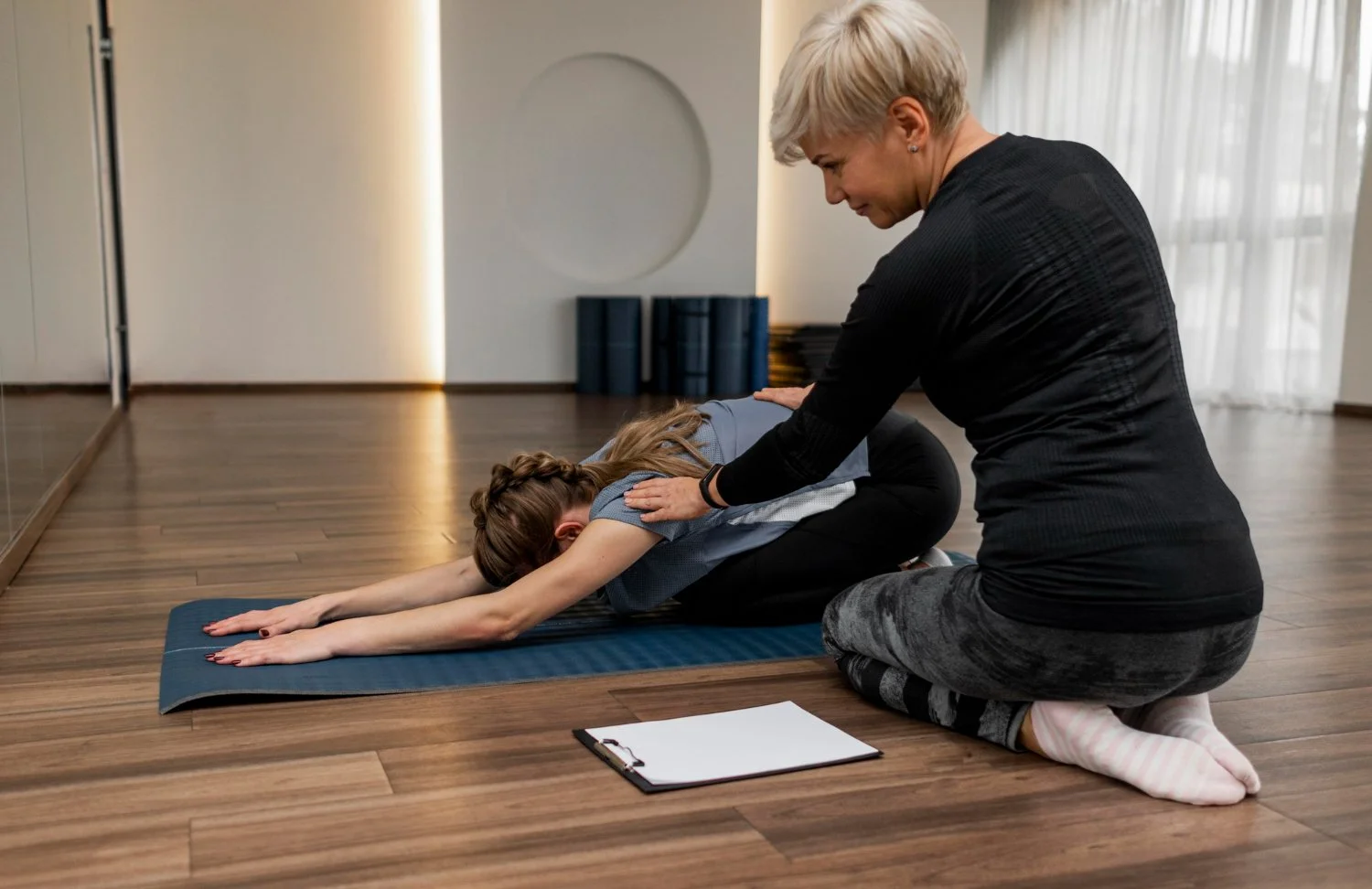
Our small group sessions are more affordable. They also offer a sense of community. Social interaction combats the isolation mentioned in the Toronto health reports. Because the class size is small, Laura McClean still provides plenty of individual corrections.
Integrating Yoga with Chiropractic and Physiotherapy
We believe in a multidisciplinary approach. Yoga does not exist in a vacuum. It works best when paired with other manual therapies.
Dr. Kevin Cheyne, our Clinic Director, often recommends therapeutic yoga to patients undergoing chiropractic care. Chiropractic adjustments help restore joint mobility. Yoga helps strengthen the muscles around those joints to maintain that mobility.
Similarly, our physiotherapist, Marek Lebzuch, focuses on rehabilitation exercises. Yoga complements this by improving overall flexibility and body awareness.
When your healthcare providers communicate with each other, your recovery is faster and more complete. We work as a team to ensure your yoga practice supports your broader treatment plan.
Meet Your Instructor Laura McClean
Your trust in the process depends on the expertise of the instructor. You will likely work with Laura McClean.
Laura has been with West End Rehab since 2016. She is our Office Administrator and Therapeutic Yoga Specialist. She is a Registered Yoga Teacher who has been practicing for over 20 years and teaching since 2012.
Laura specializes in Gentle, Therapeutic, Hatha, and Chair Yoga. She completed an 80-hour Therapeutic Yoga Course in 2015. She understands the clinical side of movement. She knows how to work with bodies that are in pain.
Her classes include relaxation techniques, breathing exercises, and guided meditation. She ensures that even in a group setting, your specific limits are respected.

Cost Insurance and Booking
Financial considerations are part of healthcare planning. We strive to make our services accessible to the Etobicoke community.
Our therapeutic yoga classes are priced competitively. For example, our 2026 Winter Chair Yoga sessions are $20 per person. We prefer cash for these drop-in style classes.
Insurance Coverage
Because our yoga sessions are therapeutic in nature and overseen within a clinical setting, they may qualify for coverage under your extended health benefits. We recommend checking with your specific insurance provider.
We also accept direct billing for most extended health plans, auto insurance, and WSIB claims for our core rehabilitation services.
We want your arrival to be stress-free. West End Rehab & Physical Therapy is conveniently located in central Etobicoke at 3853 Bloor St. W, Toronto, ON M9B 1L2.
We are easily accessible via the TTC. We are also close to Highway 427 and the Gardiner Expressway. This makes us a central hub for patients coming from Etobicoke, East Mississauga, and the surrounding GTA.
We have parking available, so you do not need to worry about walking long distances if you are in pain.
Location and Accessibility
The most important thing you can bring to your first session is an open mind.
Let go of the idea of "no pain, no gain." In therapeutic yoga, if there is pain, there is no gain. We encourage a mindset of curiosity. Observe what your body can do today, rather than judging it for what it cannot do.
Be patient with yourself. Healing is non-linear. Some days will feel better than others. The goal is progress, not perfection.
You are entering a safe space. There is no judgment here. Everyone in the room is working toward the same goal of better health.
How to Prepare Your Mindset
Do not be surprised if you leave with "homework." We often give patients one or two simple poses or breathing exercises to practice at home.
This empowers you to manage your own symptoms. If you wake up with a stiff neck, knowing exactly which gentle stretch to do gives you control over your pain.
This aligns with our clinic's philosophy. We prefer to give you the tools to manage your pain on your own and get you fixed for good. We want you to be independent, not dependent on us forever.
The Role of Homework
Frequently Asked Questions
-
Absolutely not. This is the most common myth we hear. You do not do yoga because you are flexible; you do yoga to become more flexible. In a therapeutic setting, we use props like blocks and straps to bring the floor to you. We adapt the pose to your body, not your body to the pose.
-
No. Therapeutic yoga should never be painful. You may feel the sensation of a muscle stretching or working, but sharp or shooting pain is a sign to stop. Our specialist, Laura, is trained to distinguish between discomfort and injury. We encourage open communication—if something feels wrong, tell us immediately.
-
Yes, but with modifications. Yoga can be highly beneficial for disc issues by strengthening the core and stabilizing the spine. However, forward folds and deep twists may need to be avoided or modified. This is why a clinical environment is safer than a generic YouTube video or gym class.
-
Frequency depends on your condition and goals. Many patients see significant improvement attending once a week, especially when combined with home practice. Consistency is more important than intensity.
-
Yes. Chair yoga delivers the same benefits improved flexibility, better breathing, reduced stress as mat yoga. It simply removes the barrier of getting up and down from the floor. It is an effective, legitimate form of practice used worldwide for rehabilitation.
-
For the yoga classes themselves, you generally do not need a referral. However, if you are planning to claim the expense under a specific physiotherapy or rehabilitation insurance benefit, some plans may require a doctor's note. Check your policy details.
-
Balance is a skill that degrades if we don't use it. We practice balance safely. We might use the wall or a chair for support. We work on building the stabilizer muscles in your feet and ankles. It is a progression, and you will be supported the entire time.

Dr. Kevin Cheyne
Kevin is the chiropractor that you can trust for treating your aches and pains. His advanced training in lower back pain relief and certification in contemporary medical acupuncture makes him one of the best in assessing and managing lower back issues and their related symptoms.
Kevin runs his own chiropractic and physical therapy office, where he treats patients with various conditions. Dr. Cheyne has extensive experience and advanced training in a variety of techniques to help patients get through their injuries and to manage their pain. These techniques include joint manipulation, acupuncture, soft tissue therapy, therapeutic modalities, and exercise prescription.

Taking the First Step Toward Better Mobility
Your first session with a yoga instructor is the beginning of a new relationship with your body. It is an opportunity to move away from fear and pain and toward confidence and mobility.
You now know exactly what to expect. You will find a welcoming environment. You will undergo a thorough health review. You will experience safe and guided movement.
At West End Rehab & Physical Therapy, we are ready to support you. Whether you are dealing with the lingering effects of an injury or simply want to stay active as you age, therapeutic yoga is a powerful tool.
Don't let the fear of the unknown keep you from feeling your best.
CONTACT US TODAY to schedule your first session or join our next Chair Yoga class. Let’s get you moving again.
Ready to book?
☎ Call Us:
(647) 428-5852
✉ Email
westendrehab@hotmail.com